
How to protect your business from cyberattacks
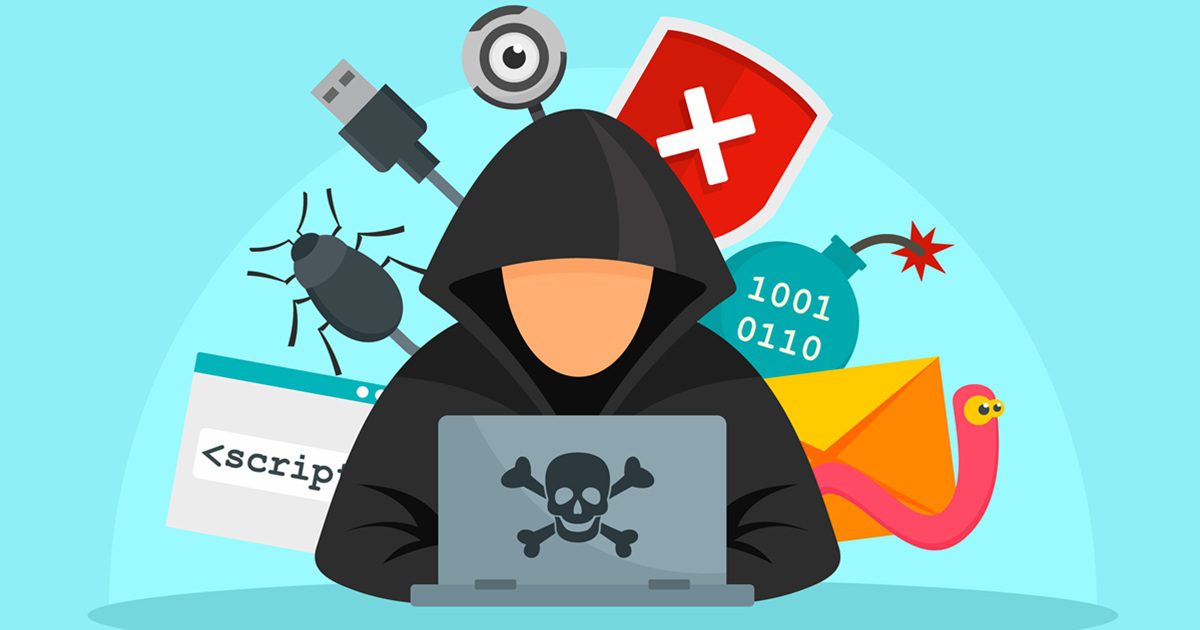
The importance of cybersecurity when protecting your business
Businesses of all sizes face an ever-growing array of cyber threats. These threats can compromise sensitive data and operational continuity. Cybersecurity measures are no longer optional but crucial to protect information, maintain trust, and comply with regulations. Investing in proactive strategies reduces the likelihood of costly breaches and reputational damage.
The rise of cloud computing, remote work, and interconnected devices has expanded the potential attack surface for cybercriminals. Threats such as ransomware, phishing, and insider breaches can affect productivity and erode customer confidence. Organizations that adopt robust cybersecurity protocols gain a competitive advantage by safeguarding their assets and operations.
Developing a comprehensive cybersecurity strategy involves assessing risks, implementing preventative measures, and fostering a culture of security awareness. Businesses that prioritize cyber hygiene reduce vulnerabilities and respond more effectively to incidents. This guide explores critical practices for protecting your business and highlights advanced solutions to mitigate emerging threats.
Understanding cyber threats
Cyber threats come in various forms, each requiring specific countermeasures. Malware, ransomware, phishing, and social engineering attacks target vulnerabilities in systems, networks, and human behavior. Awareness of these risks is the first step in effective protection.
Attackers increasingly use sophisticated techniques to bypass traditional defenses. Automated tools and AI-driven attacks can infiltrate networks quickly, making early detection crucial. Businesses must combine technology and human vigilance to mitigate potential breaches.
Evaluating risk involves analyzing system weaknesses, data sensitivity, and operational impact. Prioritizing critical assets ensures resources are allocated effectively. Understanding threats lays the foundation for a resilient cybersecurity program.
Implementing advanced encryption methods
Encryption is a fundamental pillar of data protection. Properly implemented, it renders information unreadable to unauthorized parties, safeguarding communications, databases, and transactions. Businesses that rely on outdated or weak encryption risk exposure to modern attack techniques.
Emerging threats, such as quantum computing, challenge current cryptographic standards. You should adopt Quantum safe encryption to safeguard your data and future-proof sensitive information. This approach combines advanced algorithms with established best practices to maintain long-term security.
Regularly updating encryption protocols and monitoring performance ensures resilience against evolving threats. Integrating encryption across devices, servers, and cloud platforms provides consistent protection. Businesses that prioritize secure data transmission gain greater confidence in operational integrity.
Building a multi-layered security approach
Relying on a single security measure is insufficient. Multi-layered security combines firewalls, intrusion detection systems, endpoint protection, and secure access controls to create redundancy. Each layer addresses different vulnerabilities, reducing risk.
Employees play a critical role in implementing multi-layered defense. Security awareness training educates staff about phishing, social engineering, and safe data handling. Combining technological defenses with human vigilance strengthens organizational security posture.
Periodic testing and auditing of all layers ensure effectiveness and identifies gaps. Vulnerability assessments, penetration testing, and compliance checks validate system integrity. A layered approach provides flexibility and adaptability to emerging threats.
Securing remote work and cloud environments
The widespread adoption of remote work and cloud services introduces additional security considerations. Data transmitted over public networks, shared devices, and third-party platforms is susceptible to interception and compromise. Businesses must implement strong authentication, secure VPNs, and access management policies.
Cloud service providers offer built-in security features, but organizations remain responsible for data protection. Configurations, user permissions, and encryption practices must align with organizational policies. Mismanagement of cloud environments often results in preventable vulnerabilities.
Remote work requires employees to follow strict security protocols. Personal devices should meet corporate security standards, and multi-factor authentication should be enforced. Education and monitoring maintain consistent protection outside traditional office settings.
Developing an incident response plan
Despite proactive measures, breaches may still occur, making an incident response plan critical. A structured approach enables organizations to detect, contain, and recover from attacks efficiently. Preparedness reduces downtime, financial loss, and reputational damage.
Plans should include clearly defined roles, communication protocols, and escalation procedures. Regular simulation exercises test readiness and highlight areas for improvement. Documented lessons learned strengthen future response efforts.
Key components of an effective plan include:
- Identification and categorization of incidents
- Containment strategies to limit impact
- Recovery processes to restore systems
- Post-incident review for continuous improvement
Proper planning ensures swift, organized, and coordinated actions during cybersecurity events.
Employee training and awareness
Human error remains a leading cause of security breaches. Comprehensive training programs teach employees to recognize phishing attempts, secure passwords, and follow best practices. A culture of awareness fosters collective responsibility across the organization.
Regular refresher courses and simulated attack exercises reinforce key concepts. Employees become adept at spotting suspicious activity and following incident reporting procedures. Engaged, knowledgeable staff significantly reduce organizational exposure.
Leadership involvement ensures security remains a priority. Policies should be communicated clearly, and adherence monitored consistently. Empowered employees complement technological defenses to maintain robust security.
Regulatory compliance and data protection
Businesses must navigate an increasingly complex regulatory environment. Compliance with standards such as GDPR, CCPA, HIPAA, and industry-specific mandates safeguards data and mitigates legal risks. Failure to comply can result in significant fines and reputational harm.
Audits, documentation, and adherence to best practices are important. Implementing consistent policies ensures ongoing compliance and builds stakeholder trust. Cybersecurity measures aligned with regulatory frameworks demonstrate accountability and operational excellence.
Proactive organizations integrate compliance requirements into security planning. Policies regarding data handling, retention, and protection become operational priorities. This proactive approach reduces exposure to legal and financial penalties.
Cost-benefit analysis of cybersecurity investments
Investing in cybersecurity involves upfront costs, but the long-term benefits often outweigh expenses. Effective protection prevents costly breaches, operational disruptions, and damage to reputation. Businesses that adopt a strategic approach optimize both security and financial outcomes.
Budget planning should account for technology acquisition, employee training, monitoring tools, and incident response resources. Prioritizing high-risk areas maximizes return on investment. Investments in security reduce the likelihood of catastrophic losses.
Integrating cybersecurity into corporate strategy reinforces its value. Leaders should view protection as an important operational component rather than an optional expense. Well-planned security initiatives safeguard assets, employees, and customer trust.
Cybersecurity is a critical component of modern business strategy, safeguarding sensitive data and operational continuity. Implementing multi-layered defenses, advanced encryption, and proactive monitoring reduces risk and strengthens resilience. Employee training, regulatory compliance, and incident preparedness create a comprehensive protection framework.
Businesses that adopt emerging technologies can future-proof critical information. Combining technology, human vigilance, and regulatory adherence ensures sustained security. Organizations that prioritize cybersecurity maintain trust, productivity, and competitive advantage.

If you’d like to receive a regular mini-magazine direct to your inbox with a selection of editorial features to read at your leisure, please sign up for our newsletter. We also run the odd competition and offer and whatnot, and newsletter members get the heads-up first.
Read all about it

Leave a comment