
Misogyny in UK today: a growing concern, says WI survey

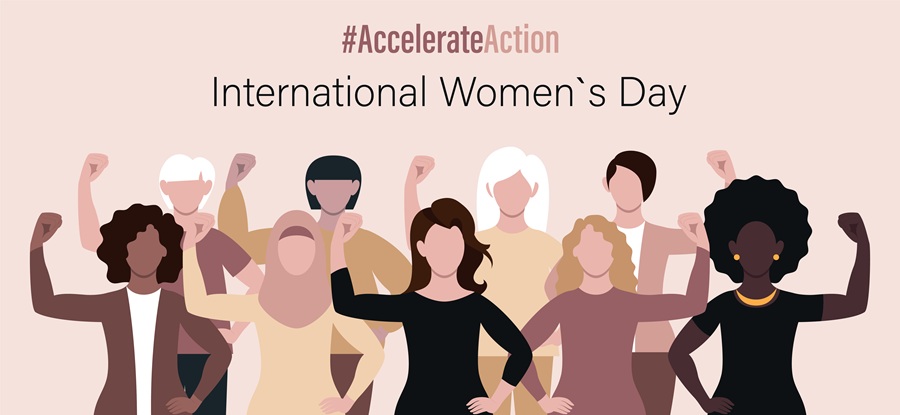
The theme for International Women’s Day 2025 is #AccelerateAction. And it’s clearly time to step up…
If you thought we’d come a long way since burning bras, think again. A new survey commissioned by the Women’s Institute (WI) reveals that depressingly, nearly two-thirds of adults (64%) in the UK believe misogyny is a significant issue, with almost a third considering it a really serious problem.
Conducted by Opinium ahead of International Women’s Day 2025, the poll underscores the everyday challenges women face, highlighting a troubling reality that women, particularly younger ones, experience misogyny in deeply personal and practical ways.
The personal impact on women’s lives
The survey found that women aged 18-34 are particularly affected by misogyny, sadly often adjusting their daily behaviour to enhance their sense of safety. In the past year:
- 41% of young women avoided eye contact or limited interactions with strangers.
- 37% shared their live location with friends or family while travelling alone.
- 42% pretended to be on a phone call when walking by themselves.
- 27% clutched a bunch of keys between their fingers as a makeshift weapon.
By contrast, men in the same age group reported far lower rates of similar behaviours: only 14% used a phone as a prop, 18% shared their location, and just 10% carried keys in their fist.
Melissa Green, CEO of the WI, emphasized the need for urgent action. “Our polling makes for depressing reading at a time when women and girls’ rights are being challenged on every front.
“For women to feel that the UK is a far less safe place for them is unacceptable and deeply concerning – and needs to be tackled through social prevention, as well as political deterrence, and in allyship with men.”
Read more: Late diagnoses of ADHD and autism in women – the hidden cost
A worsening trend?
The WI’s findings align with last year’s Girls’ Attitudes report from Girl Guiding, which revealed that sexism (used interchangeably with misogyny in their report) has risen in the last ten years. In that survey:
- 47% of 11-21-year-olds feel less safe because of sexism and misogyny, a significant rise from 17% 10 years ago.
- 69% believed they were expected to act differently because of their gender.
While it is difficult to compare directly across years, these statistics suggest that concerns over misogyny are not improving but may be intensifying. If more women are adapting their behaviour out of fear and reporting a decline in their sense of safety, the issue requires urgent social and legislative attention.
Challenging misogyny: steps forward
 It’s not all bad news. Despite the alarming figures, the survey also found that adults are taking action to challenge misogyny in their daily interactions:
- 37% of adults have had conversations about gender equality with men.
- 17% have walked a female friend to her car or home to ensure her safety.
- 16% have refused to participate in misogynistic conversations.
- 13% have called out sexist language in conversations.
- 8% have intervened when witnessing a woman being harassed.
Encouragingly, the proportion of men and women challenging misogyny is relatively balanced (28% of men vs. 31% of women), suggesting a growing awareness across genders. However, there is still much work to be done.
How to combat misogyny
Tackling misogyny requires collective effort from individuals, communities, and policymakers. Here are some ways everyone can help challenge and reduce its impact:
- Call out sexist behaviour. If you hear misogynistic jokes or comments, challenge them.
- Listen to women’s experiences. Understanding their concerns fosters empathy and action.
- Be an active witness. Intervene safely when witnessing harassment.
- Support gender equality initiatives. Advocate for policies and practices that promote fairness.
- Educate yourself and others. Learn about misogyny’s impact and encourage discussions in your circles.
- Speak up when safe to do so. Challenge misogynistic behaviour when possible.
- Support other women. Offer solidarity and assistance to those experiencing misogyny.
- Educate young people. Encourage conversations about gender equality from an early age.
- Engage in activism. Support or join movements advocating for women’s rights.
- Encourage male allies. Help men understand how they can contribute to positive change.
The WI’s report paints a concerning picture of how misogyny continues to shape the everyday experiences of women in Britain. However, the growing willingness to challenge it signals hope for a future where gender equality becomes the norm rather than the exception.

If you’d like to receive a regular mini-magazine direct to your inbox with a selection of editorial features to read at your leisure, please sign up for our newsletter. We also run the odd competition and offer and whatnot, and newsletter members get the heads-up first.
Read all about it

Leave a comment