
Preparing your child for their first car
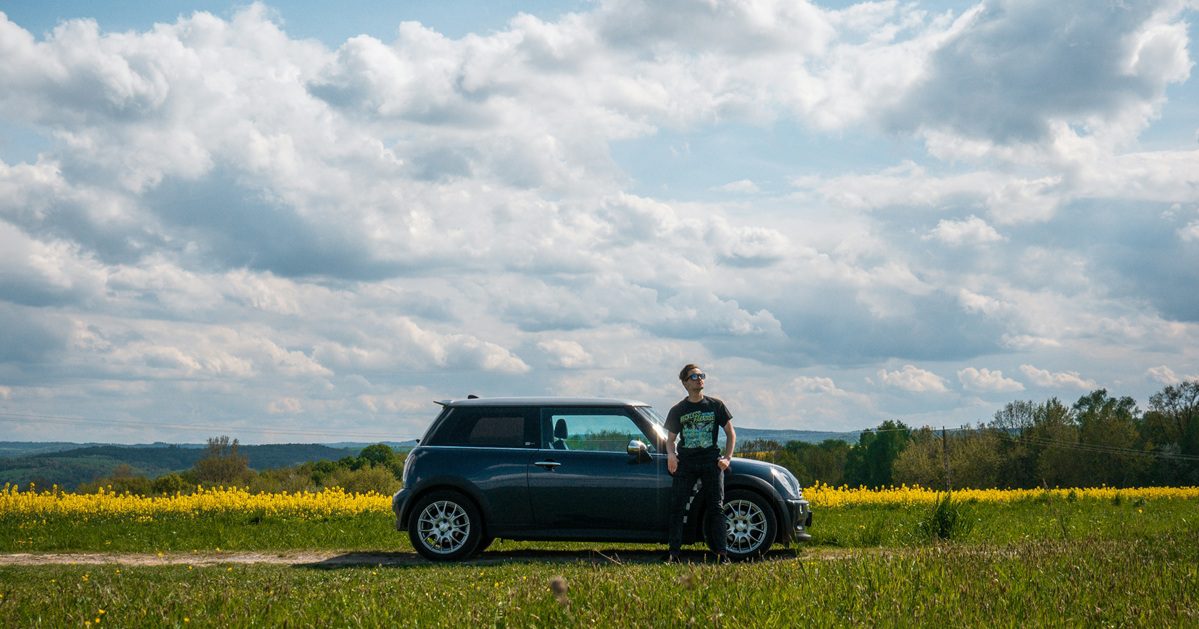
A whole new level of responsibility and independence…
The day your child gets their first car marks a significant milestone. As exciting as it is for them, it’s natural to feel a little apprehensive about how they’ll handle the responsibility of owning and driving a car.
As a parent, preparing them for this transition is crucial. And it goes far beyond simply teaching them how to drive. There are decisions to make. And considerations to address to make sure they stay safe, both on the road and financially.
Choosing the right first car
When selecting a first car for your child, the goal is to find one that strikes the perfect balance between being manageable for a new driver and offering sufficient safety features. Go for a car with a small engine, as this helps keep both the power and the insurance premiums low. Many first-time drivers can be overwhelmed by high-powered vehicles, which can make handling more difficult and increase the risk of accidents. A small, practical car not only reduces that risk. But can also provide better fuel economy. This is crucial for those who may be learning how to budget their money.
Look at vehicles in the lower insurance groups. Models like the Ford Fiesta, Volkswagen Polo or Toyota Aygo are popular choices in this category. They are well-regarded for their reliability and relatively low maintenance costs. Check the NCAP (New Car Assessment Programme) safety ratings to make sure the car meets high standards for crash protection.
The benefits of telematics insurance for both safety and savings
Consider a telematics insurance policy for your child. They use a small device, or a mobile app, to monitor the driver’s habits, such as their speed, braking and the times they travel. If your child drives safely, their premiums will decrease, rewarding good behaviour. But the benefits don’t stop at savings. The feedback provided by telematics insurance also acts as a learning tool, helping reinforce safe driving habits.
You can monitor the driving data together. For example, you’ll be able to see whether they’re consistently driving below the speed limit and avoiding harsh braking, helping you to acknowledge these positive habits.
Building driving experience and confidence gradually
One of the most important aspects of preparing your child for independent driving is making sure they gain enough experience before they go solo. While it’s easy to assume that the minimum hours required for a learner’s permit will be enough, you should aim for more. Encourage them to drive in a variety of conditions. Such as rain, at night, on busy motorways or in rural areas.
Supervised driving practice should be structured. You can use the guidelines provided by driving authorities to make sure your child is exposed to different challenges. For example, the DVSA (Driver and Vehicle Standards Agency) suggests gaining experience in varying weather conditions and on different types of roads.

Instilling safe driving habits and awareness
Driving safely is about developing good habits and a keen sense of awareness. Reinforce the importance of adhering to speed limits and driving defensively. Your child should know that anticipating the actions of other drivers and being prepared for the unexpected can be the difference between avoiding an accident and being caught off guard.
Frequent discussions about hazard perception will also help them stay alert on the road. Speak openly with one another and review certain driving scenarios.
Staying informed about wider news
Finally, stay informed about developments that could affect your child’s driving experience and insurance costs. For instance, the UK’s rollout of 20 mph zones has had a noticeable effect on premiums. Slower speeds reduce the likelihood of accidents, and as a result, insurance providers may offer lower premiums in areas with these limits.
At the same time, penalties for uninsured driving have been increasing. By staying aware of these updates, you can guide your child to make informed decisions that keep them safe and financially savvy.

If you’d like to receive a regular mini-magazine direct to your inbox with a selection of editorial features to read at your leisure, please sign up for our newsletter. We also run the odd competition and offer and whatnot, and newsletter members get the heads-up first.
Read all about it

Leave a comment