
Why is tinned fish so popular all of a sudden?
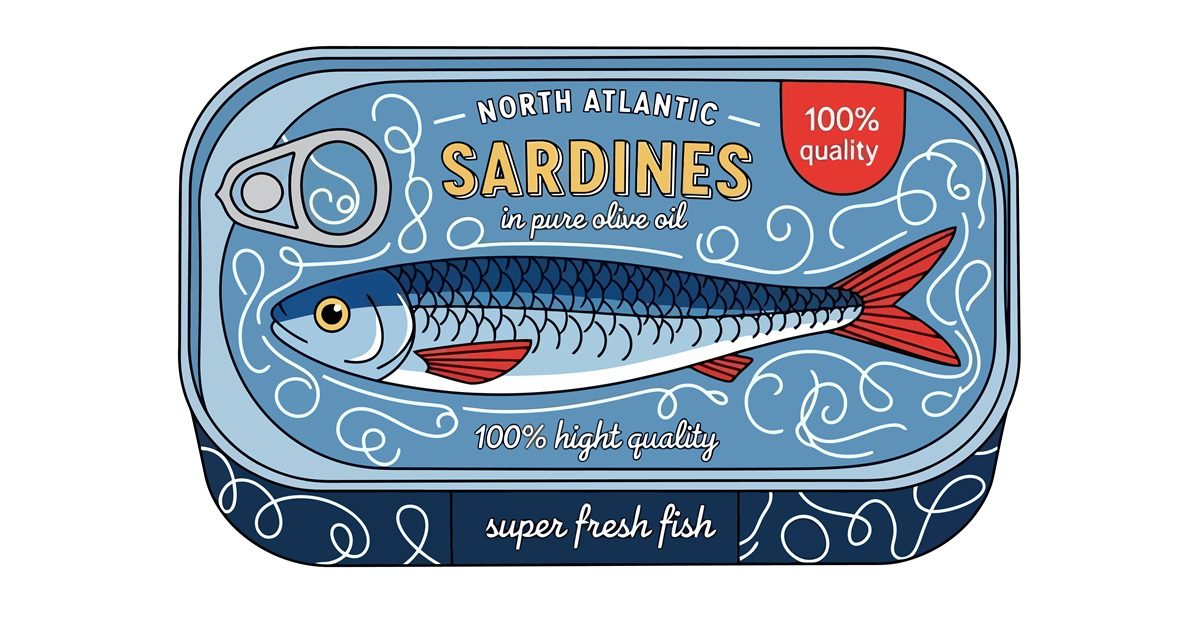
Tinned fish is everywhere. What’s happened, and how can you choose the best?
Tinned fish is having quite the moment. Open Instagram or TikTok and you’ll see neatly stacked sardine tins, glossy anchovies laid out on toast, tuna dressed with olive oil and lemon rather than hidden in mayonnaise. What was once a quiet cupboard staple now feels insanely fashionable.
This is not just social media hype; UK sales figures tell the same story. Over the past couple of years, the value of tinned and ambient fish sales has risen, with shoppers buying more tins and, crucially, better ones. Sales of MSC-labelled tuna in the UK & Ireland jumped by 78% year-on-year in 2023, for example. This suggests rising consumer interest in higher-end, sustainable, and certified options. Tuna still dominates by volume, but sardines, mackerel and anchovies are growing fastest. Premium tins and certified options are leading the charge.
So why is tinned fish suddenly so popular?
There’s a few things at play here; social media, of course. Standout tinned fish stans like the fez-wearing Marcus Ansell and his dog, King Arthur, from Tinned Fish Reviews are hard to avoid, with millions of views across all platforms. You can even buy t-shirts sporting his catchphrase, “Let us decant the fish.” Power to this bloke actually for getting through some surströmming recently. He’s a braver man than I.
@tinnedfishreviews I tried Surströmming for the third time. It was not nice for me. #surströmming #tinnedfish #cannedfish #tinnedfishreview #fyp #fermentedfish #surstromming ♬ original sound – TinnedFishReviews
Apart from social media chatter, there are also dedicated shops popping up, such as The Tinned Fish Market, in Borough Market, or online stores like Fish Tins.
Part of this is economic perhaps. When food prices rise, people look for ingredients that stretch. But it also reflects how many of us eat now. We want food that lasts, is easy to use, and which feels like a conscious choice rather than a last resort. Tinned fish fits neatly into that space.
It also suits modern cooking habits. Fewer ingredients, faster meals and less waste – or at the very least, packaging that can actually be recycled. One tin can become lunch or supper without much thought. That practicality explains the growth, and the health benefits explain why people stick with it.
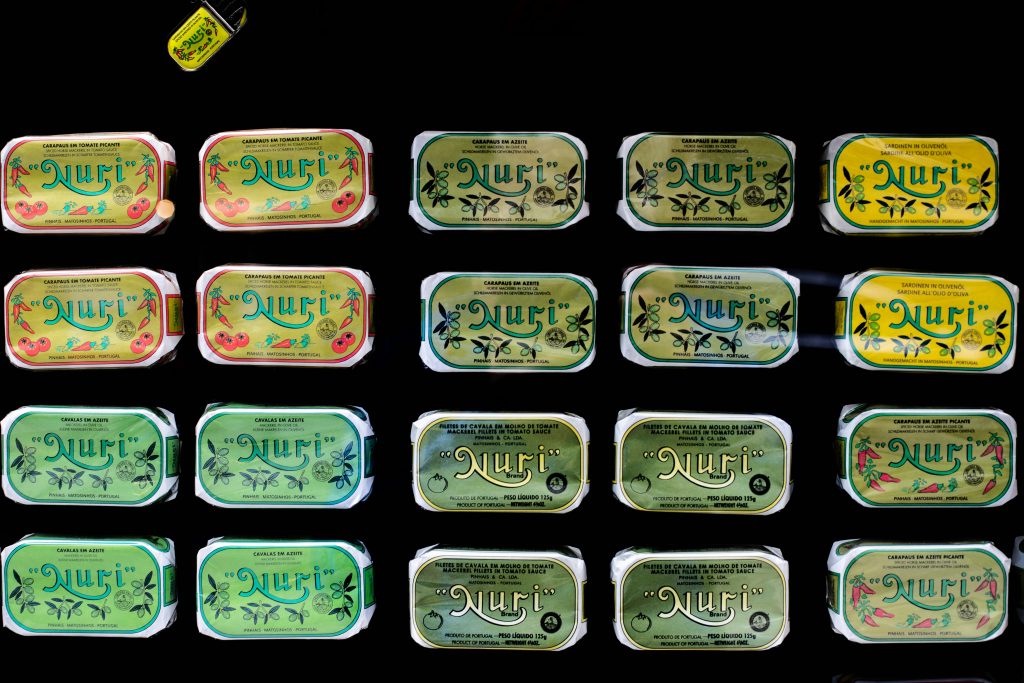
Personally, I also really love a lot of the packaging design. What is it about a tin of fish that can look so appealing if it’s wrapped in a beautifully designed paper outer? I know it’s not just me.
The health benefits of tinned fish
Tinned fish is an easy way to add high-quality protein to your diet. It contains all the essential amino acids your body needs for muscle repair and maintenance. That matters at every stage of life, but it becomes even more important as we age.
A standard tin of tuna contains around 25 grams of protein, which is comparable to a chicken breast. Sardines and mackerel offer similar benefits. Protein helps you feel full, stabilises energy levels and reduces the urge to snack. If you want meals that actually satisfy, this matters more than calorie counting ever will.
Then there are omega-3 fats, one of the biggest reasons nutritionists continue to recommend oily fish. Sardines, mackerel and anchovies are naturally rich in these fats, which support heart health, help reduce inflammation and play a role in brain function and mood.

UK dietary advice encourages eating oily fish at least once a week, yet many people struggle to do this with fresh fish alone. It spoils quickly, costs more, and potentially requires planning. It also, to some degree, requires cookery skills to prepare. Tinned fish removes those barriers. The canning process preserves omega-3 content remarkably well, meaning you lose very little nutritionally while gaining convenience.
Bone health is another area where tinned fish quietly shines
Sardines and salmon canned with their bones provide a meaningful source of calcium. During the canning process the bones soften, so you eat them without noticing, but your body still benefits from the minerals.
A single tin of sardines can supply over a third of your daily calcium needs, alongside vitamin D, which helps the body absorb calcium properly. This combination supports bone density and becomes increasingly relevant for women as they age, particularly post-menopause. For those who eat little dairy, this is a good way to fill a nutritional gap.
Vitamin B12 is another nutrient many people underestimate. It supports nerve health, red blood cell production and energy levels. Deficiency becomes more common with age and among those who eat less meat. Tinned fish provides a reliable source of B12 without any extra effort. Tuna, sardines and mackerel all contribute useful amounts, which can make a real difference if you often feel tired, despite eating what you think is a balanced diet.
You also get iron and selenium. Iron supports oxygen transport in the blood and helps prevent fatigue. Selenium supports immune function and thyroid health. These nutrients become particularly important if you have reduced red meat intake or are navigating periods of stress or hormonal change.

There is also the matter of shelf life
Tinned fish lasts for months (or years, if you look in my cupboard). On busy days, having a tin in the cupboard often makes the difference between eating real food and reaching for something ultra-processed. It’s also dead easy to use – even if you can’t get it together to make a proper meal, sardines on toast – for example – is delish, and super quick.
Sustainability plays a role too. Many tins now carry recognised certification, reassuring shoppers who care about sourcing. Smaller fish such as sardines and anchovies reproduce quickly and sit lower in the food chain, which often makes them a more sustainable choice. Choosing these fish supports marine balance while still meeting nutritional needs, something many people now consider part of everyday decision-making.
Sustainability plays a role too. Many tins now carry recognised certification
What makes this tinned fish revival feel different from past food trends is its staying power. It is not novelty-driven. It reflects a broader shift towards food that is affordable without feeling cheap, nourishing without being complicated, and practical without losing pleasure.
It also suits how we live now. And, of course, it photographs beautifully. Neat tins, glossy fish, golden olive oil, great packaging design. Social media amplifies the aesthetic, which feeds interest and keeps the category visible.
The biggest change, though, is perception. Tinned fish no longer feels like something you eat because you have to. It feels like something you eat because you want to. The rise in interest in more unusual tinned fish and seafood bears this out too.
How to buy the best tinned fish
When buying, look for simple ingredient lists and fish packed in olive oil or spring water. Rotate types to spread the nutritional benefits. Tuna for protein. Sardines for bones and calcium. Anchovies for intensity and omega-3s. Mix everyday tins with one or two better-quality options across the month.
And don’t forget the more exotic options. Caviar, squid, shellfish and even baby eels all fit into tins nicely – so get brave and branch out a bit.
Ultimately, the rise of tinned fish tells a wider story about how we eat now. You want food that supports your health without demanding time you do not have. You want value without compromise. And apparently you want to see a man in a fez feed his dog bits of tinned octopus and mackerel for your entertainment.
If you already eat tinned fish regularly, you are ahead of the curve. If you don’t, it’s time to get on board.

Sam is Silver’s founder and editor-in-chief. She’s largely responsible for organising all the things, but still finds time to do the odd bit of writing. Not enough though. Send help.
Read all about it

Leave a comment