
Cherry blossoms and stone dragons: heritage and travel in East Asia
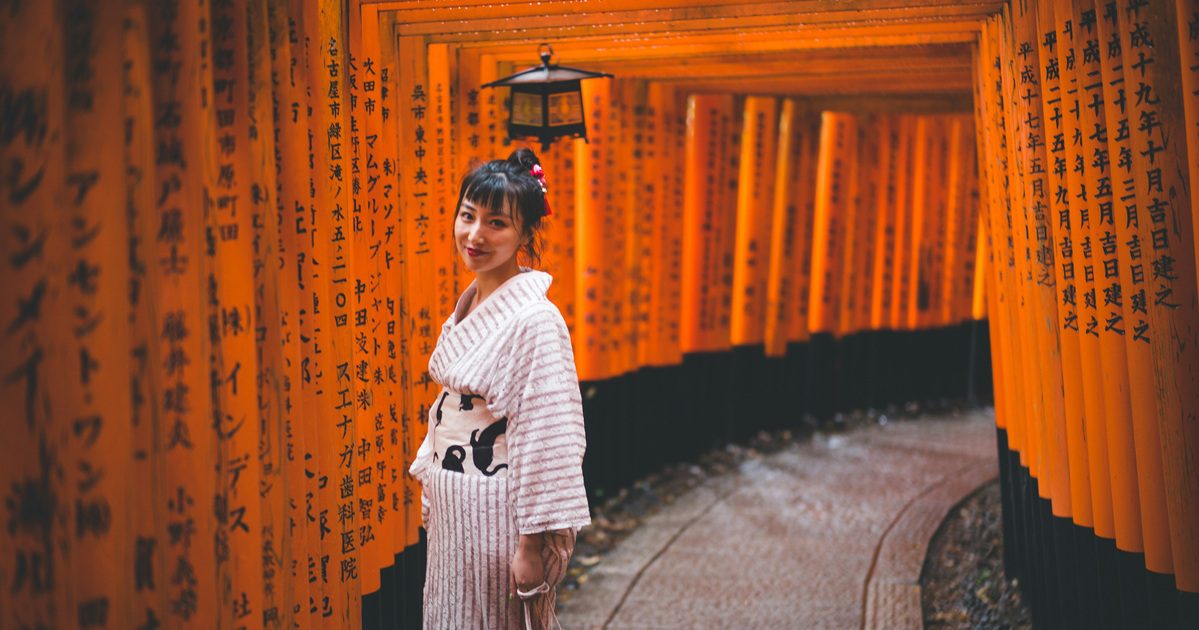
East Asia does not arrange itself into clear narratives. It layers instead.
Old forms remain present, and new structures appear, settling in without jarring contrast. What feels symbolic from a distance behaves practically on the ground, absorbed into daily movement rather than framed for attention.
Japan and China are often described through difference, but moving through them reveals something softer. The rhythm changes, scale shifts, light behaves differently — yet the experience rarely feels divided. Heritage and innovation do not alternate. They coexist, repeating themselves quietly until distinction becomes secondary.
Seasonal attention without event
In Japan, change often arrives through season rather than announcement. Temperature shifts. Light alters direction. Public space adjusts without instruction.
Cherry blossoms are part of this pattern, but they do not interrupt routine for long. Parks fill briefly, then empty. Streets soften in tone. People pause, then resume their pace. The season passes without needing to be marked.
For travellers exploring Japan tour packages, the lasting impression is rarely the blossoms themselves, but how easily everyday life accommodates their presence — briefly, and without ceremony.
Tradition that continues to function
What defines heritage here is not age, but use. Shrines remain active. Older neighbourhoods remain occupied. Paths continue to be walked because they still lead somewhere.
Ritual survives by fitting into routine. Familiar gestures repeat without explanation. Nothing feels isolated or staged. The past stays close because it is still practical.
Systems built for continuation
Modern infrastructure functions at scale, yet rarely feels theatrical at ground level. Transit moves people efficiently. Construction proceeds steadily.
For those drawn to tours to China, what often stands out is not speed or size, but how quickly systems become ordinary. What feels unfamiliar briefly becomes routine. Change settles into repetition.
Change that settles quickly
Innovation in Japan rarely feels disruptive. New systems appear quietly. Infrastructure improves without calling attention to itself. Efficiency increases, then fades into background.
You notice what has changed only when it is absent. Progress does not announce arrival. It blends into habit. Modernity becomes invisible through use.
Entering a different sense of scale
China introduces a shift in proportion rather than pace. Space expands outward. Density increases. Movement remains coordinated despite volume.
What changes is magnitude. What remains is layering. Old streets persist beneath elevated routes. Historic compounds sit beside newer districts without hierarchy. The city grows without resolving itself.
Stone figures that do not perform
Stone dragons appear throughout China — carved into bridges, stairways, and gates. They are encountered repeatedly, often without pause.
They do not function as decoration alone. They mark continuity through presence. Their familiarity dulls spectacle. These figures remain not because they are preserved, but because they still belong.
Cities that accumulate
Chinese cities do not replace themselves. They add. New layers rise. Older ones remain active beneath them.
Markets operate under towers. Courtyards continue behind traffic. Movement adapts rather than redirects. The city absorbs contradiction without explanation.
Objects that stay put
Across both countries, certain objects remain fixed — trees, statues, gates, paths. You encounter them repeatedly until they stop feeling significant.
Familiarity replaces symbolism. Meaning thins, then deepens. These elements persist by staying in use, not by being interpreted.
Movement without explanation
Walking through these cities, you notice how little requires instruction. Behaviour adjusts instinctively. Pace shifts without decision. Attention moves where space allows it.
You learn when to slow. When to pause. When to pass through. No one explains this. You follow without noticing that you are learning.
Memory without narrative
Later, what returns is not a story. It is a sensation — light changing briefly, stone cooling under hand, crowds aligning without effort.
These impressions do not assemble into conclusions. They remain loose, overlapping, unresolved. Memory behaves the same way the cities do.
Continuity without contrast
East Asia does not ask you to choose between heritage and innovation. It allows both to repeat until the distinction loses urgency. Blossoms return, then leave. Stone figures remain. Systems evolve quietly. Life continues without needing to declare balance.
What stays with you is not a lesson, but a rhythm — one that persists whether or not you stop to name it.

If you’d like to receive a regular mini-magazine direct to your inbox with a selection of editorial features to read at your leisure, please sign up for our newsletter. We also run the odd competition and offer and whatnot, and newsletter members get the heads-up first.
Read all about it

Leave a comment