
Diet, medication, or both? Holistic approaches to hair loss treatment over 50
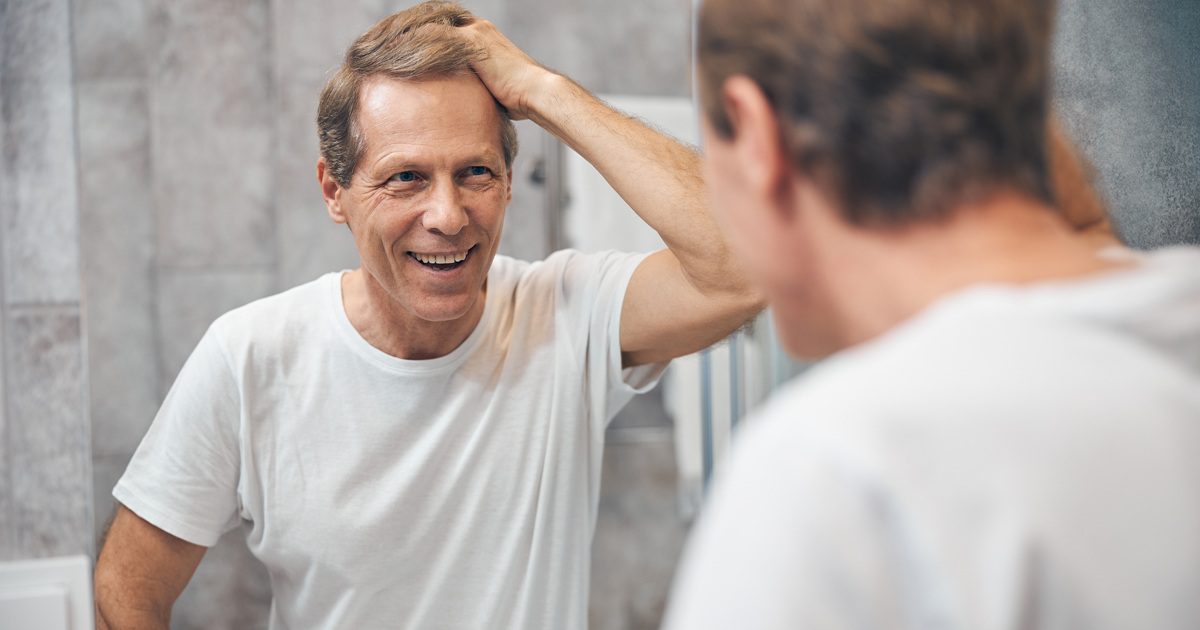
Worried about losing your crowning glory?
For many men – and women – hair loss may seem unavoidable as we age. Yet through a mix of lifestyle changes and medical intervention, the situation can change. Hair thinning affects both men and women, and hair loss over the age of 50 and the reasons for it are as diverse as the treatments available.
While some use diet or over-the-counter supplements, others get prescription Finasteride at UK Meds or pursue other medical options. Armed with a willingness and proper advice, you can find out what suits you best.
Basic causes of hair loss over 50
Hair thinning over the age of 50 is usually the result of a combination of genetics, hormone changes and external stressors. Men experience male pattern baldness, also referred to as androgenetic alopecia, while women experience more diffuse thinning. Hormonal changes, especially in postmenopausal women, tend to exacerbate the process.
Thyroid activity, nutritional deficiency and stress can also accelerate the loss of hair. That is why the initial part of any treatment should involve a comprehensive evaluation with a medical practitioner to ascertain the probable reason behind the loss.
Different medical treatment options
Among medical treatments available, Finasteride is perhaps the most widely spoken-about treatment for male pattern baldness. It is a prescription treatment for hair loss based on its ability to alter the hormonal action within the scalp. Though it does not make new hair grow for every patient, it is used as a first choice by many clinicians in the UK for patients who want to slow or treat thinning of the hair. Like any medical treatment, Finasteride does have potential side effects and varying degrees of results. It should also be considered within the context of a more enduring strategy, supplemented with lifestyle changes where possible. Other treatments may involve topical treatments such as minoxidil or more novel treatments such as low-level laser treatment.
The role of nutrition
Nutrition also serves to promote the structure and growth of the hair. Hair follicles need a continuous supply of the nutrients including biotin, zinc, iron, vitamin D, and protein in order to be strong and active. These essentials in the diet will make the existing faults in the hair particularly worse in elderly people whose ability to absorb them may lessen with age.
Increasing nutrient-dense foods such as leafy greens, eggs, nuts and seeds, oily fish and legumes can promote the well-being of your scalp and follicles. Certain people may also need supplements prescribed by a nutritionist or dietitian if deficiencies are indicated through blood work. Always ensure supplements are complemented with a well-balanced diet and used carefully when taken with other medications. It does bear mention that although diet will not reverse genetic hair loss, it can promote the scalp environment and act in synergy with medical treatments.
Combining diet and medication
Instead of considering both diet and medicines as independent solutions, numerous individuals achieve the greatest success through the integration of both in a sustainable regime. Medicines such as Finasteride can stabilise the effects of hormones causing hair loss, while nutritional changes lay the groundwork for sustainable scalp health.
This also encompasses lifestyle issues: quality sleep, decreasing alcohol consumption and exercise can all indirectly impact the health of the hair. Others will also research more natural topical treatments or essential oils, although the supportive evidence is still limited.
The importance of stress management and lifestyle in hair health
Chronic stress is also responsible for hair loss disorders, in which stress triggers more follicles to shift towards the shedding phase. Over time, unresolved stress also impacts sleep quality, hormone levels and immune system function, all of which possibly have a role to play in the health of the hair.
Simple practices such as yoga, meditation and mindfulness can bring relief from stress and calm the nervous system. Social interaction, hobbies and regular physical activities can also act as buffers to everyday tensions.
Establishing a consistent sleeping schedule is no less critical. Hair cells, like all fast-growing cells, reap the benefits of rejuvenation during good-quality sleep. Strive for seven to eight hours nightly and establish sound sleep hygiene practices: no screens in the evenings, minimal use of caffeine after noon and a cooler and darker bedroom.
Managing hair loss in your life
Losing hair over 50 can be frustrating, both emotionally and physically, but it should not have to be dealt with alone. Today’s treatment landscape provides more than just pills and serums—it presents a rounded perspective complemented by nutritional solutions and lifestyle routines.
Finasteride is still the top choice for many men in the UK through legitimate outlets with medical supervision. No treatment is a fixed solution to fit all men. The optimal strategy usually requires a combination of actions and open access to expert advice.
The first step, whether talking to a GP, shifting your diet, or just educating yourself, frequently holds the key to restoring both your hair and your self-confidence.
Key takeaways
- Hair loss after 50 often needs a mix of diet and medical support.
- Thinning hair in your 50s can be due to hormones, age, stress, or vitamin deficiencies. Treatments like Finasteride help many men slow down hair loss, but a balanced diet with nutrients like biotin, zinc and iron is also important for healthy hair growth.
- Healthy habits like good sleep and stress relief support better results.
- Managing stress, getting enough sleep and staying active can all help improve your scalp and hair health. Lifestyle choices play a key role in boosting the effects of any treatment or supplement you take for hair loss.
- Combining treatments with expert advice works best.
- Many people see the best results by using medical treatments like Finasteride alongside lifestyle and nutrition changes.
- Speaking to a healthcare professional ensures your plan is safe, personalised and more effective over time.

If you’d like to receive a regular mini-magazine direct to your inbox with a selection of editorial features to read at your leisure, please sign up for our newsletter. We also run the odd competition and offer and whatnot, and newsletter members get the heads-up first.
Read all about it
Such a valuable piece highlighting how hair loss isn’t just cosmetic but linked to health and lifestyle! I’ve also seen helpful info on nutrition and holistic hair care, which fits perfectly with combining diet and treatments for better results. Thanks for the insights!
I like how it highlights the balance between medical treatments and nutrition for hair health over 50. Simple lifestyle changes like stress management and sleep really make a difference too.