
Ethical vs fast fashion: why cheap isn’t always cheerful
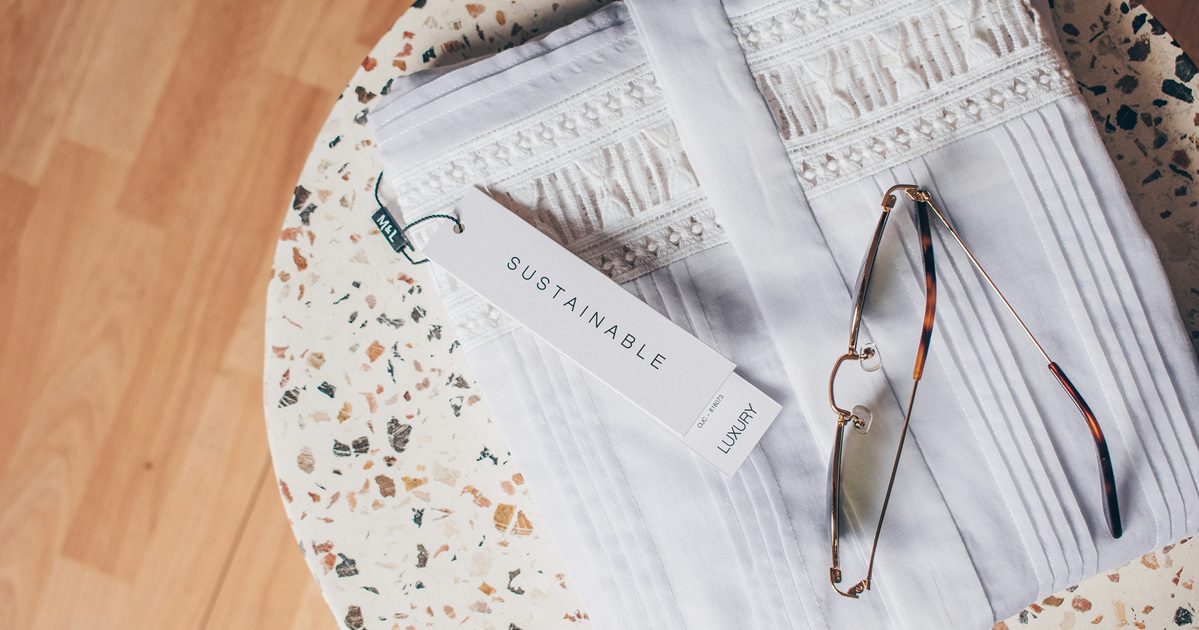
What’s the real cost behind the clothes?
Fast fashion is everywhere. High street shops seem to refresh their collections almost weekly, offering the latest trends at impossibly low prices. On the flip side, ethical fashion is making waves, too, promising sustainable materials, fair wages, and kinder choices for people and the planet.
But what’s the real cost behind the clothes we wear? Is it worth chasing the cheapest deal if it comes at the expense of ethical considerations?
The true price of cheap clothes
Fast fashion is all about speed. Brands roll out new styles at a lightning pace, enticing us to shop more and more. And while it’s hard to resist a £5 T-shirt, the consequences of snapping up that bargain are often hidden.
For starters, many fast fashion factories outsource labour to countries with less strict regulations, meaning low wages, underage workers, long hours, and unsafe working conditions for millions.
And let’s not forget about the environmental impact. Churning out clothes at such a rapid pace often means cutting corners, which leads to massive water usage, pesticide-filled cotton, and mountains of textile waste.
It’s pretty shocking to think that UK households throw away around 300,000 tonnes of clothing into landfill each year.
Interestingly, this pressure to consume more isn’t confined to clothing alone. Just as fast fashion leads to volume over value, the desire for quick wins in other areas can drive questionable practices. Whether you’re eyeing up the next trendy investment or wondering how to trade the FTSE 100 index, chasing speed over strategy can come at a price. Thoughtful decision-making applies across the board – from your wardrobe to your financial goals.
The rise of ethical fashion
Now, on the other side of the spectrum, ethical fashion is steadily gaining ground. These brands focus on sustainability, transparency, and fairness, putting people and the planet first. But here’s the catch: ethical clothing isn’t always cheap. A thoughtfully created T-shirt might cost £30 rather than £5. Why? Because every step of the process – from choosing organic fabrics to paying workers fairly – is done responsibly.
And while it may feel like an investment upfront, this approach tends to reward you in the long run. Ethical clothes are often of better quality, meaning they last longer and reduce the need for constant replacements. It’s like having that one solid pair of boots that lasts five years, instead of rebuying flimsy pairs every season.
Plus, there’s a growing sense of pride and purpose in supporting brands that do good. Whether it’s knowing your dress didn’t cost someone their rights or that your shoes were crafted from recycled materials, there’s a fulfilling sense of connection when you make an ethical choice.
Why cheap isn’t always cheerful
Price is often the first thing we notice when shopping, right? Fast fashion preys on this instinct, offering ultra-low-cost garments that feel impossible to pass up. But if something costs pennies, it’s worth considering who’s paying the price behind the scenes. Cheap clothing has to come from somewhere, and sadly, it’s often paid for with the exploitation of workers in countries where labour laws are lax or ignored altogether.
Take the 2013 Rana Plaza factory collapse in Bangladesh as an example. Over 1,000 workers died in a building that was deemed structurally unsafe, but was packed with employees producing cheap clothes for Western brands. Accidents like this don’t just highlight safety issues; they reveal the true human cost of those slashed price tags.
On top of that, the environmental damage is hard to ignore. The fast fashion industry is a major contributor to pollution, with toxic dyeing processes and discarded garments wreaking havoc on ecosystems. A £10 dress is tempting – but what’s the cost to our planet?
Why balance matters
At the end of the day, it’s entirely possible (and practical) to find a middle ground. You don’t have to totally ditch the high street or only shop at speciality stores. Instead, try to buy less, choose well, and make your pieces last. Also spend more time in second hand clothing shops – reuse and recycle, and you’re making an instant difference.
It’s about finding a balance that works for you and your lifestyle, while still being mindful of the impact your purchases have on others and the planet.
Ethical fashion isn’t about trends; it’s about making smarter, kinder choices with what we wear. And buying pieces that will last and stand the test of time.
If you’re only going to take one thing from this article, make it this: every piece of clothing tells a tale. The choice is yours whether that story is one of exploitation and waste, or about fairness and sustainability. After all, fashion is how we express ourselves. Why not make that expression meaningful?

If you’d like to receive a regular mini-magazine direct to your inbox with a selection of editorial features to read at your leisure, please sign up for our newsletter. We also run the odd competition and offer and whatnot, and newsletter members get the heads-up first.
Read all about it

Leave a comment