
How to become a Pilates instructor
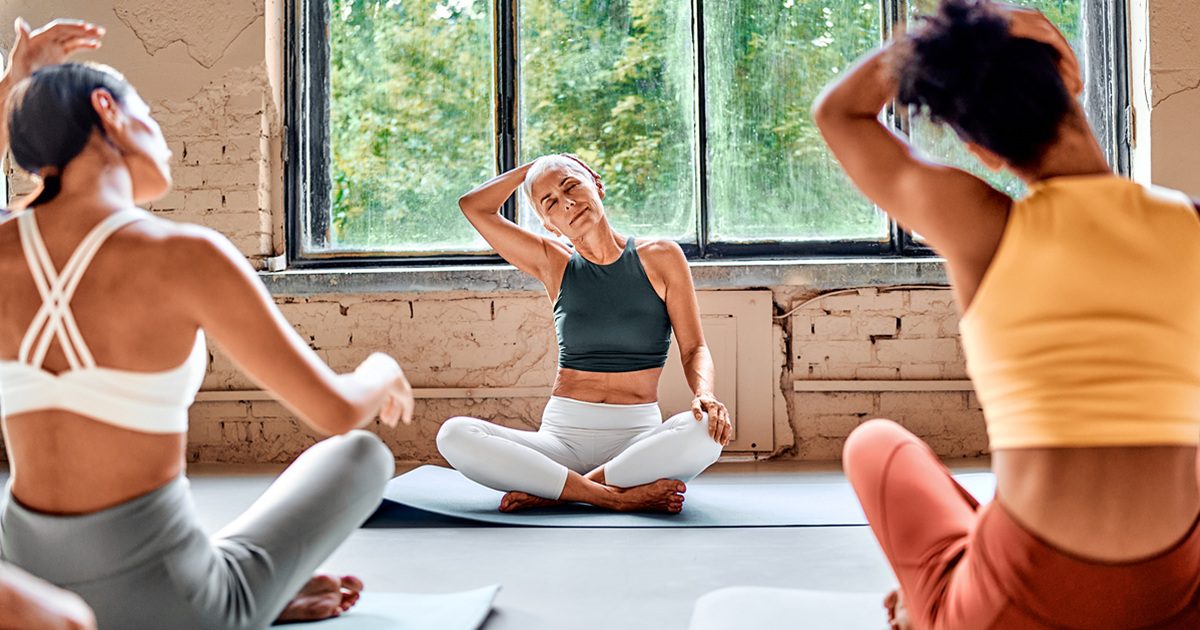
Ever thought about leading the class? Just how do you become a Pilates instructor?
Pilates studios can be the calmest and most grounding space if you love to feel stronger and more in control of your body. I believe if you love Pilates, you must have considered becoming an instructor at least once. However, learning Pilates is significantly different from teaching it.
Pilates doesn’t mean teaching exercises and saying goodbye. It requires you to understand how people move, what motivates them, what their goals are, and so much more. Therefore, to become a Pilates trainer, you must have a purpose and be passionate about it. Let’s see how to become a Pilates instructor and if you are the right fit.
Know what Pilates instructors do
To begin with, you must understand what Pilates instructors actually do. Pilates is not similar to a gym where you hop on a machine and start doing reps. Pilates helps you get stronger, more flexible, and have better body awareness. It is more focused on precision and controlled body movement.
As a Pilates instructor, you will be leading the clients through each exercise to create stability and strengthen core muscles. Breathing and alignment are also an essential part of the whole session.
Outside of physical teachings, good instructors create an open atmosphere in which clients are motivated and confident, not fearful. It’s a job that is equal parts fitness coach, teacher, and emotional buddy.
Requirements and training needed to teach Pilates
Pilates engages almost all body muscles, and therefore, instructors must have complete knowledge of how every muscle works. You need to complete a certified training program to become a Pilates teacher and begin practising professionally. Most programs usually consist of a mix of coursework, practice teaching, observation hours, and anatomical studies.
Training is usually in both mat Pilates and equipment-based Pilates (with the Reformer, Cadillac, or Wunda Chair). You can work on a certification program for a few months to a year, depending on how much time you have and which organisation you go through.
Skills you gain as a Pilates instructor
Technical skills bring you into the Pilates instructor circle, but if you want to succeed in your career, technical knowledge won’t cut it. You need exceptional communication skills to clearly articulate movement while keeping your clients motivated. It is pretty easy for people to give up when they don’t understand how to do it right. This is where you play your role as an instructor.
You’ll also learn how to modify the exercises for individuals at different fitness levels, with injuries, or with different goals. A couple of other skills that you need as a Pilates instructor are:
- Keen observation and attention to detail.
- Patience and empathy for clients
- Professionalism and time management
Career opportunities and work settings
When you’re certified, there are many directions you can take your Pilates career. Many teachers begin in established studios or gyms to gain experience. Once they have enough experience and resources, most of them switch to private studios or collaborate with the rehab professionals, or start their own studios.
However, you don’t have to follow the traditional path that most people have walked. You can act as a freelance Pilates instructor to gain clients from all around the world. Once you build enough presence on social platforms, you can start earning way more than any job at a private studio or healthcare setting.
What to expect day-to-day
The most common daily practice for a Pilates instructor involves sequencing, teaching, and client relations. Some days, there may be several group classes, while others are dedicated to one-on-one private lessons.
You’ll also practice on your own a lot because the stronger, more mobile, and more mentally centred you are, the better you can be as a teacher. Similarly, many Pilates instructors notice that they improve their own personal Pilates practice as well as learn more about the body by teaching.
Benefits and barriers to teaching Pilates
Just like other professions, becoming a Pilates instructor has its own challenges. Confidence, clients, and a unique teaching style take time to build. While you are in the initial phase, you can do some juggling of odd hours in the early days, or work at more than one location to build your credibility. It can be hugely rewarding for your future since you gain more experience, making it possible for you to create your portfolio. You see people transform both physically and emotionally and then share their stories with more clients to position yourself as a trusted professional.
Continuing education and growth
One course to get certification and eligibility to work as an instructor doesn’t cut through the competition. Pilates is a dynamic fitness area that requires you to keep learning. Most of the trainers don’t stop learning to get certification in several areas of Pilates.
Besides learning, you can attend workshops, higher-level classes, and mentorship programs that further deepen your knowledge and help sharpen your teaching.
The bottom line
To be a Pilates instructor is to choose a life of balance that includes movement and otherwise. This career means helping others become strong while you yourself keep learning and growing.
If you’re drawn to Pilates because it’s altered the way you move and feel, teaching can extend that impact. All you need is dedication and curiosity to cultivate a rewarding career.

If you’d like to receive a regular mini-magazine direct to your inbox with a selection of editorial features to read at your leisure, please sign up for our newsletter. We also run the odd competition and offer and whatnot, and newsletter members get the heads-up first.
Read all about it

Leave a comment