
Key insights for homebuyers looking at older properties
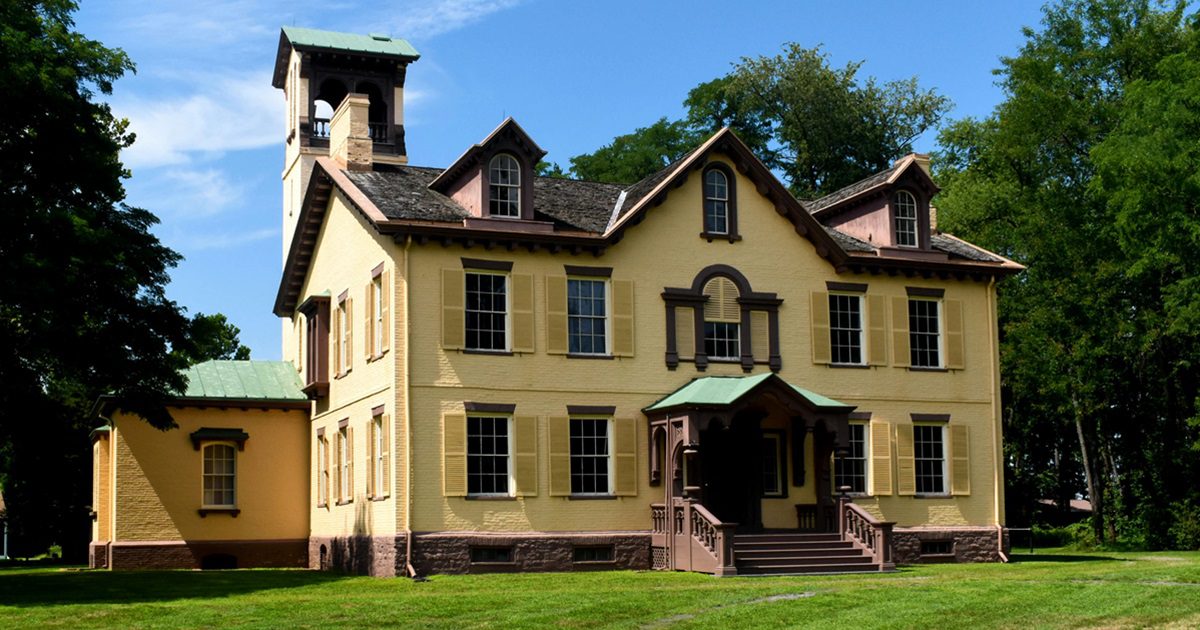
Buying an older property can be rewarding, offering charm, character, and unique architectural features that newer homes often lack.
However, these homes may also present hidden challenges, from outdated setups to structural troubles. Understanding what to expect before committing is crucial for making an informed decision.
In this article, we will guide homebuyers in navigating the evaluation of older properties, ensuring they uncover their full potential and avoid costly surprises.
1. Understanding the historical value
Historical homes have unique charm and cultural significance, offering a window into the past through their design, architecture, and craftsmanship. These properties often reflect the artistry and materials of their era, providing a sense of heritage and continuity. Owning such a home connects you to the community’s history, fostering pride and a deeper understanding of its roots.
The Eye on Housing organisation reported that 60% of the houses occupied by owners were built before 1980. Also, around 35% of these homes were built before 1970. The share of new construction has declined over the past few years. People prefer to buy old homes with historical value. However, a few points must be considered before buying an old property.
Historical homes can be excellent investments, as their rarity often enhances their value over time. Preservation efforts can also inspire sustainable living by repurposing existing structures. Embracing a historical home means appreciating its story while contributing to its enduring legacy.
How can historical preservation regulations impact my renovation plans?
Historical preservation regulations can significantly influence your renovation plans by requiring adherence to specific guidelines that maintain the property’s original character. These may limit alterations to exterior features or demand the use of period-appropriate materials. Understanding local regulations ensures compliance while preserving the home’s historical and architectural integrity.
-
Assessing structural integrity
According to Statista, the maximum number of US housing constructions were aged 42 and 51 years in 2021. The median construction year was 1979, meaning the average age of the homes was 42 years.
Over time, foundational elements can deteriorate due to natural wear, weather exposure, or improper maintenance, leading to costly repairs or safety hazards. Therefore, checking the structural integrity of an older home is essential to ensure its safety, strength, and longevity.
A thorough inspection can identify issues like cracks, moisture damage, or termite infestations, allowing you to address them proactively. Understanding the home’s structural condition also helps negotiate a fair purchase price and plan renovations.
By prioritising structural assessments, you protect your investment, avoid unexpected expenses, and ensure the home remains a secure and liveable space for years.
How do I find a qualified home inspector for an older property?
To find a qualified home inspector for an older property, look for professionals with experience in historic or ageing homes. Seek referrals from real estate agents, friends, or local preservation societies, and check reviews or certifications like ASHI or InterNACHI. Verify their familiarity with older systems and structural concerns.
-
Evaluating electrical and plumbing systems
Thoroughly inspecting the electrical and plumbing systems in an older property is vital for safety, functionality, and cost management. Aging wiring or outdated electrical panels can pose fire hazards or fail to support modern gadgets.
Similarly, old plumbing systems, often made from galvanized steel or cast iron, may corrode, leak, or restrict water flow. A professional inspection helps identify potential hazards, necessary upgrades, and hidden issues.
For instance, the U.S. Department of Energy suggests replacing the furnaces and boilers of old homes. A maximum number of homes in the US are heated with the help of furnaces and boilers, especially old homes. The vintage fossil fuel furnace and boiler setups have efficiencies in the span of 56% to 70%. Meanwhile, modern traditional heating systems can provide efficiency as much as 98.5%.
Understanding these systems allows buyers to budget for updates and ensures the home meets current safety standards while providing reliable utilities for everyday living.
It’s also important to get a gas safety certificate for an old house. This helps check for any gas leaks or old pipes that could be unsafe. A qualified professional will inspect the system to make sure everything is safe and meets current standards. Click here to learn more about gas safety in your area.
-
Identifying hazardous materials
Identifying hazardous materials like lead paint and asbestos is crucial when buying an older property. Lead paint, prevalent in homes built before 1978, poses health risks, particularly to children, through dust or chips. Asbestos, used in insulation, roofing, and flooring, can release harmful fibres if disturbed, causing respiratory illnesses.
According to TorHoerman Law, asbestos is a dangerous material that can cause many medical difficulties, the most severe being asbestosis and mesothelioma. Ignoring asbestos risks can lead to long-term consequences and potential health risks. Individuals constantly exposed to asbestos can develop these fatal conditions involving substantial, costly medical expenses.
However, fortunately, victims may qualify to receive a settlement through an asbestos lawsuit. Both mesothelioma and asbestos lawsuits emphasize the importance of addressing these hazards during inspections. Proper remediation ensures a safer living environment and minimizes liability concerns for homeowners. These materials require professional testing and safe removal to protect your family’s health.
How can I find out if an older home contains asbestos, and what steps should I take if it does?
To determine if an older home contains asbestos, hire a certified asbestos inspector for professional testing of suspected materials. If asbestos is present, avoid agitating it and consult authorized abatement specialists to remove or encapsulate it safely. Proper handling ensures health protection and compliance with safety regulations.
-
Understanding maintenance needs
Understanding the maintenance requirements of an older property is crucial for preserving its value and ensuring long-term liveability. Older homes often require more frequent upkeep due to wear and tear on systems like roofing, HVAC, and plumbing. Regular inspections can help identify issues early, preventing costly repairs down the line and mishaps like fire.
The NFPA reported approximately 46,700 home fires every year between 2015–2019. Around 13% of these fires were mainly due to electrical failure or malfunction. Electrical malfunctioning and failures were the 2nd major causes of home fires.
Certain materials used in older homes, such as wood siding or original windows, may require specialized care to maintain their function and aesthetic appeal. By staying proactive with maintenance, property owners can keep their property in good condition, preserving both its historical charm and overall functionality for years.
-
Exploring financing options
Exploring financing options for an older property is crucial to ensure you can manage both the purchase price and potential renovation costs. Traditional mortgage loans may be available, but some lenders may require higher interest rates or down payments due to the home’s age.
Specialized loan programs, like FHA 203(k) or Fannie Mae’s HomeStyle Renovation loan, offer financing that includes funds for repairs and upgrades.
Additionally, consider personal finance or home equity lines of credit (HELOCs) for smaller renovations. Understanding all available options helps you plan effectively, secure favourable terms, and budget for necessary updates without compromising your financial security.
Making an informed decision
Renovating an older property can be a rewarding investment, but it requires careful consideration. By assessing structural integrity, understanding maintenance, and exploring financing options, you can make informed decisions that preserve the home’s character while addressing potential issues. With the right preparation, owning an older home can provide lasting value and charm.

If you’d like to receive a regular mini-magazine direct to your inbox with a selection of editorial features to read at your leisure, please sign up for our newsletter. We also run the odd competition and offer and whatnot, and newsletter members get the heads-up first.
Read all about it

Leave a comment