
Practical tips to stay fit and healthy over 50
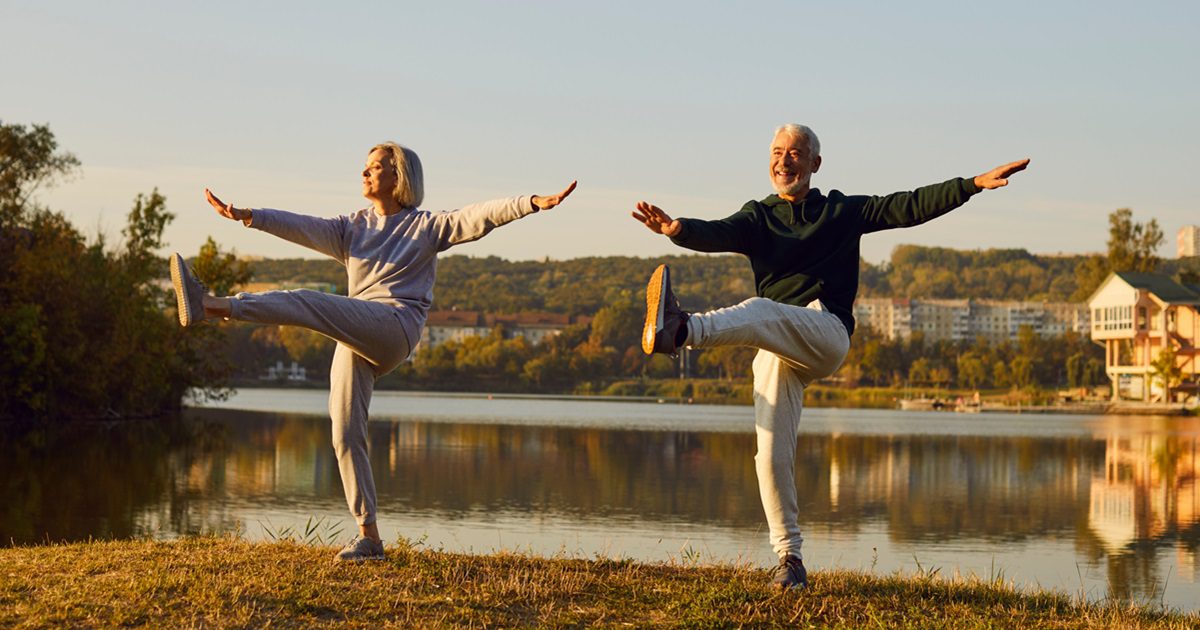
As we age, our bodies undergo changes that require a more tailored approach to health
It’s not patronising to recognise this. As we age, a holistic approach encompassing physical activity, balanced nutrition, mental stimulation and social engagement is essential for staying fit and healthy. Particularly once you’re over 50. Here are a few useful tips for lifestyle changes that can help promote longevity, and enhance your life for as long as possible.
Keep moving
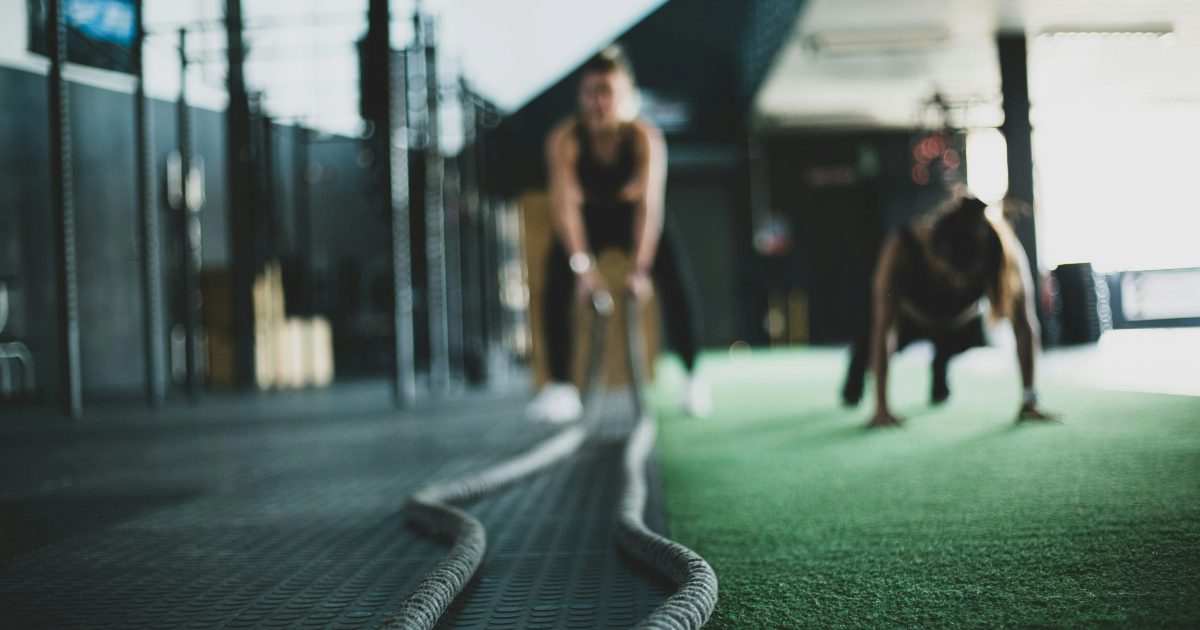 It’s essential to keep moving, whatever form of exercise you choose. Low-impact activities such as walking, swimming, or yoga, which are gentle on the joints but effective in keeping the body active, should be incorporated. Above all, choose the exercise you enjoy as you’re more likely to do it regularly.
Although we often associate ageing with slowing down, research shows that you don’t necessarily have to stop intense exercise if you enjoy it. Individuals who did a few minutes of intense exercise around three times daily reduced their risk of dying from a cardiovascular issue by 50 per cent.
As we age, our joints may become more prone to inflammation and discomfort
Pilates can improve core strength, flexibility, and posture. Jessica May, a registered nutritionist and Pilates instructor, says it can challenge muscle stiffness, joint pain, and balance problems.
“As we age, our joints may become more prone to inflammation and discomfort,” she explains. “Pilates, being low-impact and gentle on the joints, is an ideal workout for individuals with joint issues. Its controlled movements and emphasis on alignment alleviate muscle stiffness and improve overall mobility.”
May says resistance training can be incorporated into Pilates using reformer beds, weights or resistance bands. “By integrating resistance training into your Pilates routine, you can build muscle, increase bone density, and enhance overall strength.”
Whatever way you choose to stay fit, make sure you’ve got the right gear to stay comfortable. Whether it’s the right footwear, or a softball jersey!
Overcoming hormone changes
There’s dealing with hormone changes too, particularly for women. As oestrogen declines during perimenopause and menopause, it can lead to increased insulin resistance and potentially joint stiffness. This is where strength training can also be beneficial. Regular strength training helps to maintain muscle mass and increase bone density, which is crucial in reducing the risk of osteoporosis, a condition more prevalent in women as they age. Additionally, it boosts metabolism by increasing lean muscle mass, aiding in weight management and fat loss.
Regular strength training helps to maintain muscle mass and increase bone density
Bex Prade, functional medicine practitioner and registered clinical nutritionist says, “Heavy strength training is effective for easing symptoms in perimenopause and menopause. It helps gain muscle and change your body composition. Lift heavy! You want to get to a weight where your muscles start to fatigue after six or so reps.
“Mobility exercises are essential before every weight session as women in their late forties and early fifties are more susceptible to soft tissue and joint injuries due to the drop in oestrogen.”
Gut health and nutrition
 Unsurprisingly, nutrition plays a crucial role in staying healthy. A balanced diet rich in fruits, vegetables, whole grains, lean proteins, and healthy fats provides essential nutrients that support bodily functions and combat age-related health issues. Also boosts your immune system.
“We need more protein as we age, so make sure you’re getting at least 100g of quality protein a day, spread across the day,” says Prade. “A good benchmark is 30-50g of protein at each meal, especially focussing on a high protein breakfast to help protect skeletal muscle and balance blood sugar and hormones throughout the day.”
Prade also believes we must take care of our gut health. “Imbalances in the gut are inextricably linked to inflammation, accelerated ageing, and nearly all chronic disease including cancer, diabetes, heart disease, and dementia,” she affirms.
…make sure you’re getting at least 100g of quality protein a day, spread across the day…
So, how do you look after and balance your gut health and make it part of your daily routine? “Reduce sugars and starches, and increase your prebiotic, probiotic, and polyphenol-rich foods intake. Good bacteria feed on prebiotic fibres (avocados, artichokes, asparagus, berries, peas, chia seeds, and pistachios), probiotics (fermented foods like sauerkraut, pickles, tempeh, miso, kefir and kimchi), and the polyphenols found in colourful plants (olive oil, turmeric, pomegranate, kiwifruit, green tea, cocoa, nuts).”
Therefore, probiotics as part of your lifestyle may be something to add. Prade also recommends “Prebiotic powders like PHGG and GOS, bitter vegetables that help digestive enzyme production, organic bone broths to heal the gut lining, and a good multi-strain probiotic.”
Another health option is to practice short bursts of heat therapy followed by cold water exposure. According to London ice-bath venue Sauna and Plunge, combining hot and cold therapy can activate responses that enhance immune function, energy, mental focus, and circulation. It also encourages cellular repair mechanisms, increases stress resilience and metabolic activity, improves sleep, and reduces chronic pain.
Staying hydrated and moderating the intake of processed foods, sugar, and alcohol are equally important for long-term health. May says, “Get 7-9 hours of sleep, drink 1.5 to 2 litres of water daily, engage in regular physical exercise, consume balanced meals, and minimise stress and alcohol intake.”
Mental wellbeing
Mental health is another key component of overall well-being. Engaging in activities that stimulate the mind and maintain social connections can help keep cognitive functions sharp, release endorphins and reduce the risk of mental health issues and stress.
“Staying active can profoundly impact your mental well-being. Exercise has been linked to reduced symptoms of anxiety and depression, improved self-esteem, and enhanced body image,” says May.
“Age should never be a barrier to staying fit and feeling fabulous. It’s never too late to try new activities or prioritise your health. Embrace opportunities to explore new hobbies, push your limits, and take care of your body and mind.”

Sarah Haselwood is a freelance writer and journalist, who is passionate about travel, health and wellness, and HR topics. She dabbles in creative writing and is trying to write a novel.
Read all about it

Leave a comment