
Persian cat care guide
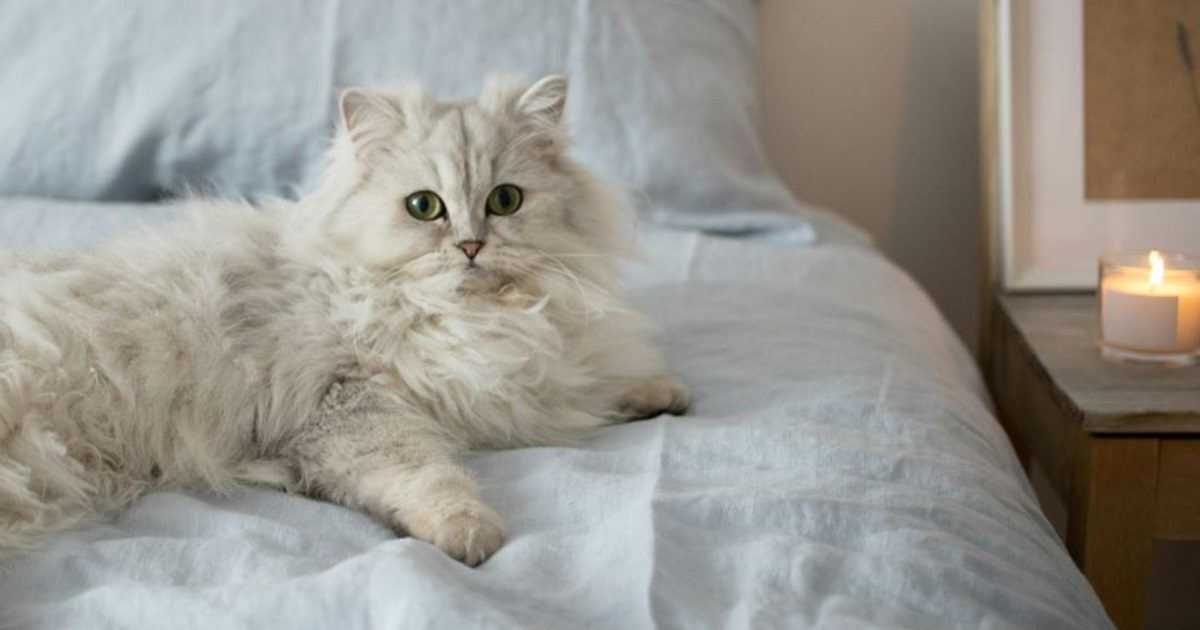
Persian cat care guide: tips for grooming and health
Persian cats are one of the most beloved breeds worldwide, known for their long, luxurious fur and sweet personalities. These cats can be wonderful companions, but they also require special care to keep them happy and healthy. This guide offers tips on grooming, health maintenance, and understanding what it takes to care for Persian cats, including the Himalayan Persian cat variation.
Understanding Persian cats
Persian cats are recognized for their distinctive flat faces and round bodies. Their fur is long and fluffy, giving them a regal appearance. They are typically calm, gentle, and affectionate, making them great pets for families and individuals. However, this breed’s unique traits come with specific care requirements that owners need to keep in mind.
The average lifespan of a Persian cat is around 12 to 15 years, but with proper care, some can live even longer. This lifespan can vary based on genetics, diet, and overall health. Being aware of potential health issues is important for ensuring a long and happy life for your Persian cat.
Do you know how to speak to cats? How to parlay with your pussy
Grooming your Persian cat
Daily brushing
One of the most important aspects of caring for a Persian cat is regular grooming. Their long fur can easily become matted and tangled, so daily brushing is recommended. Using a wide-toothed comb or a slicker brush can help remove loose fur and prevent mats from forming. This grooming routine not only keeps their coat looking beautiful but also reduces shedding around your home.
It’s a good idea to start grooming your Persian cat while they are still a kitten. This will help them get used to the process and make it easier to maintain their coat as they grow older. If your Persian cat has never been groomed, be patient and allow them to adjust to the new experience.
Bathing
Bathing Persian cats is another aspect of grooming that many owners wonder about. While cats generally groom themselves, Persian cats may benefit from occasional baths to keep their coats clean and free from oils and dirt. A bath every 4 to 6 weeks can be helpful, especially if your cat tends to get dirty or has skin issues.
Use a mild cat shampoo designed for long-haired breeds, and make sure to rinse thoroughly to remove any soap residue. After bathing, it’s important to dry your Persian cat gently. You can use a towel or a pet-specific dryer on a low setting. Avoid using a regular hairdryer, as the heat can be harmful.
Eye care
Persian cats are prone to tearing, which can lead to staining around their eyes. Regularly wiping their eyes with a damp cloth can help prevent staining and keep them comfortable. It’s best to use a soft cloth and clean water. If you notice any signs of infection, such as redness or excessive discharge, consult your veterinarian for advice.
Health care for Persian cats
Regular veterinary visits
Routine veterinary check-ups are important for maintaining the health of your Persian cat. Regular visits allow for vaccinations, dental check-ups, and overall health assessments. Your veterinarian can provide guidance on diet, exercise, and any potential health issues specific to the breed.
Persian cats are susceptible to certain genetic conditions, such as polycystic kidney disease (PKD) and respiratory issues due to their flat faces. Regular vet visits help catch any health problems early and provide treatment options.
Diet and nutrition
A well-balanced diet is key to ensuring a long, healthy life for your Persian cat. Look for high-quality cat food that meets their nutritional needs, focusing on protein and healthy fats. Some owners prefer dry kibble, while others may choose wet food or a combination of both. Always check the labels to ensure the food is appropriate for your cat’s age and health needs.
Portion control is also important, as Persian cats can be prone to obesity. Follow the feeding guidelines on the food packaging and adjust portions as needed based on your cat’s activity level and weight. Consult your veterinarian for personalized recommendations.
Exercise and play
While Persian cats are known for their calm demeanor, they still need regular exercise to maintain a healthy weight and mental stimulation. Engage your cat with interactive toys, such as feather wands or laser pointers. Playtime not only helps keep them fit but also strengthens the bond between you and your pet.
Creating a stimulating environment with scratching posts, cat trees, and cozy hiding spots can also encourage your Persian cat to stay active. Make sure to provide a safe space where they can explore and feel comfortable.
Understanding the Himalayan Persian cat
The Himalayan Persian cat is a variation of the traditional Persian breed. They share many traits with Persian cats but have distinct colourpoint markings similar to those of Siamese cats. This means their ears, face, paws, and tail are darker than the rest of their body. The Himalayan Persian cat is known for its gentle nature and sweet personality, making it a popular choice among cat lovers.
Caring for a Himalayan Persian cat involves the same grooming and health considerations as standard Persian cats. However, their colourpoint markings may require additional attention to keep them looking their best. Regular grooming and bathing will help maintain their beautiful coat and prevent any skin issues.
Persian cat price and considerations
The price of Persian cats can vary widely based on factors like lineage, breeder reputation, and location. On average, you might find Persian cats ranging from $500 to over $5,000. Factors such as the cat’s pedigree and whether they are intended for show purposes can significantly impact the price.
When considering the cost, it’s also important to factor in ongoing expenses such as food, grooming supplies, veterinary care, and other essentials. Owning a Persian cat is a long-term commitment, and budgeting for these expenses will help ensure you can provide a happy and healthy life for your feline friend.
________________________________________
Caring for a Persian cat can be a rewarding experience. With their beautiful coats and sweet personalities, these cats bring joy to many households. Understanding their grooming needs, health care requirements, and potential issues is essential for any owner.
By investing time in grooming and providing regular veterinary care, you can help your Persian cat thrive. Whether you have a classic Persian or a Himalayan Persian cat, following these tips will ensure they live a happy, healthy life by your side. Your efforts will pay off in the form of a loving companion who brings warmth and joy to your home for years to come.

Aiden is an editorial and production staffer at Title Media. He’s constantly looking for opportunities to have fun and get creative, whether it be art, baking, storytelling… you name it!
Read all about it

Leave a comment