
Consider Chihuahua in Mexico for your next adventure
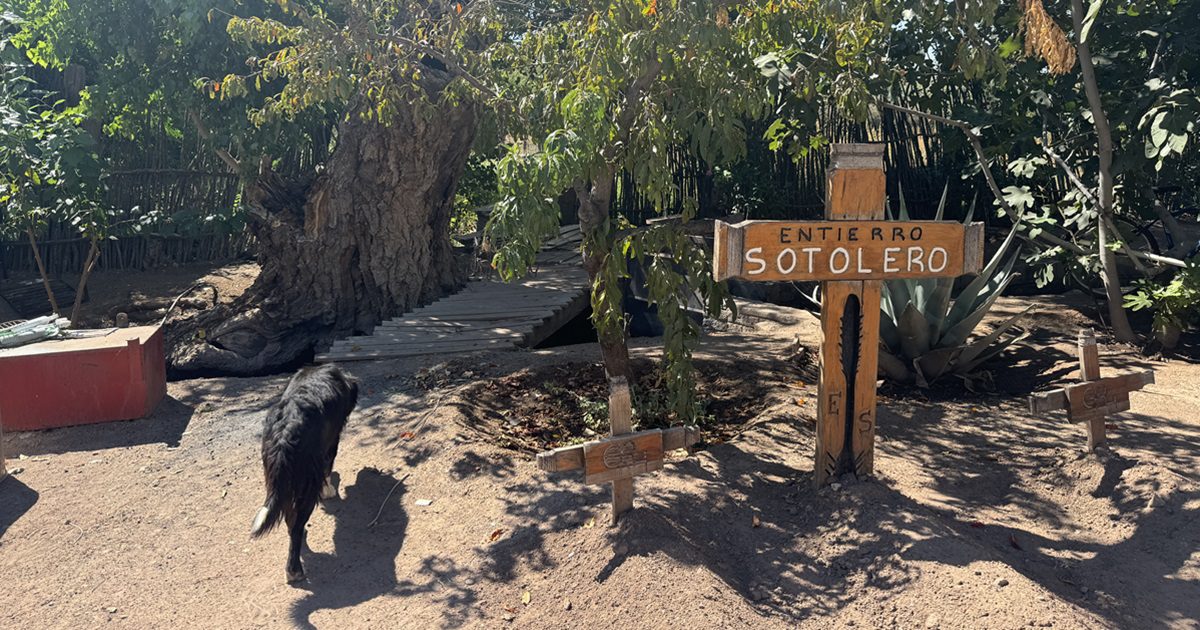
Mexico is a vast country, with many areas still relatively unexplored
There is so much of Mexico to explore. And when travelling, if you’re looking for something authentic, you always need to look that one step further. While popular tourist destinations like Cancun or Mexico City get all the attention, Lili Lowe on why you should consider Chihuahua in the north of Mexico for your next adventure…
If I’m being honest, I’d never really heard much about Chihuahua; apart from the dog, of course. So, when I decided to explore the Mexican region, I was excited to see a part of the world I didn’t know anything about.
The journey to Chihuahua was much like any long haul… a bit of a slog. With a 12 hour transatlantic flight to Mexico City, and a couple of hours on a connecting flight to get there – although a slightly less onerous nine-hour trip home – I was pleased to have my feet on the ground by the time I landed. It’s quite a trip.
Let’s start with Chihuahua City itself
Chihuahua might not be as big or famous as Mexico City, but it’s equally or maybe even more rich in history. One of the first things I learned was that the Mexican revolution of 1910 started in Chihuahua, rather than in the capital.
Within the city, we visited some beautiful sights, including Quinta Gameros Cultural Centre, a stunning, French-inspired mansion. It’s now owned by the local university and is a popular student hang-out. I was definitely a little jealous of the students who get to each their lunch here.
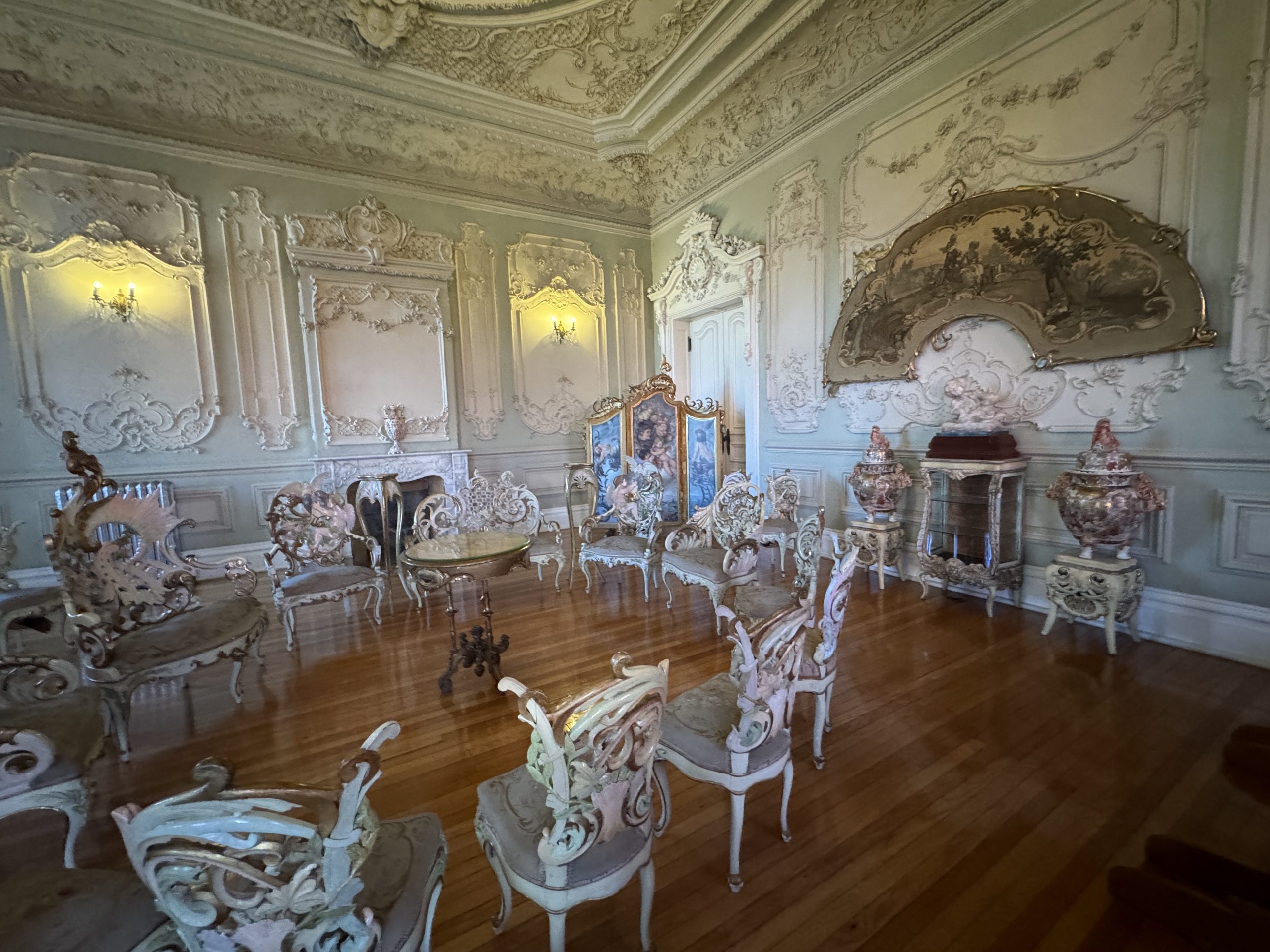
Quinta Gameros Cultural Centre
But my favourite spot by far was the house of Francisco “Pancho” Villa’s second wife, now called the is now the Francisco Villa Museum. María Luz Corral de Villa was second among 25 women who have claimed to be married to him at one time or another! He’s known as the Mexican Robin Hood, which might explain his appeal among the ladies. Marital matters aside, he was the former governor of Chihuahua and a pivotal part of the Mexican revolution.
We learnt about his rise to power, his arguments with his American neighbours, and his inevitable fall. The house, as per his request and after his second wife had died, was left to the military. Soldiers still mill around the mansion. They won’t smile at you, but they are friendly enough, if a little imposing.

Francisco Villa Museum
As well as the city’s historic charms, we stayed in District One or ‘The Modern District’ for the first couple of nights. In all honesty, it felt like a weird dystopia in comparison to the old town. Like Canary Wharf, but in the desert. It was still pleasant with lots of fancy cocktail bars, restaurants, health food shops, and even a café that had vegan options. It wasn’t my favourite part of the city but I can see why people would enjoy a night out there. Plus, it felt pretty safe. I don’t imagine the old town has much CCTV.

Chihuahua City ‘Modern District’
Wandering around Chihuahua City, the divide between those with money and those without is pretty obvious. A few of my travelling companions said that Chihuahua felt like it had been lightly touched by the western world, but much of it was left untouched. Religious buildings are everywhere, and there are houses that look exactly as you’d expect after watching a western set in Mexico. And of course, you’re conscious of the desert and mountains all around you.
Away from the Mexican metropolis

Wherever you look in Chihuahua City, you are reminded that you’re just in a small part of the state. There are mountains everywhere. And if you drive just 20 minutes outside the city, the landscape becomes unrecognisable. The desert stretches out for miles, populated by vultures, eagles, snakes and lizards. I was in awe, not necessarily because it was so pretty, but because it was so different to anything I’d seen before.
In the desert, we visited a Sotol distillery to see how the traditional Chihuahuan drink is made. It comes from Genus Dasylirion plants, which are found in north Mexico deserts, New Mexico, Arizona and Texas. Sotol is a bloody unique drink; kind of smoky, not a million miles away from tequila, but a lot more ‘rustic’. It’s like nothing I’ve never tried before. A lot of it is also insanely alcoholic.

Obviously 10am is the perfect time to visit a distillery

Some of the many flavours of Sotol to choose from
The brother of the master distiller of Sotol taught us that to even sip the drink neat, you have to first produce a small ball of spit to the front of your mouth to enjoy it on the tongue.
I tried many flavours and learnt so much, such as how Sotol was only legalised in 2002 because of its strong ties to prohibition. When the authorities searched distilleries, the booze was buried in graves, which was a pretty effective hiding place. It’s probably not my drink of choice, but with ABV percentages ranging from 30 to 70, it’s a pretty good way to get the party started.
Getting up into the mountains

The drive up to the mountains was full of stunning views and winding roads. Every time we stopped, I was reminded of how lucky I was to be seeing this. The scenery is breathtaking.
We stayed in a small town called Creel. It was felt a bit like a Swiss mountain town but hotter, with dogs instead of goats, and far less yodelling. Before we settled in, we drove about an hour away to the Valley of the Monks, a stunning spot that overlooks giant, pointy rocks. They were probably more phallic than religious, but gorgeous all the same (picture above).

Rarámuri women

Traditional crafts by the Rarámuri people
At the Valley of the Monks, we met indigenous Rarámuri people. They live off the land in places completely untouched by the modern world. These are ‘high canyon’ Rarámuri people, and most of the women and girls were dressed in bright, beautiful traditional clothing. At the foot of a mountain that we hiked up, they were selling handicrafts, such as carved wooden earrings and handwoven baskets, and insisted on posing for pictures with us. Despite living mostly off the land, drought has been a real problem, so they still need pesos to survive.
Following a train journey by the Chepe Express (more on this below), we landed in Creel, and had dinner at a steakhouse. This limited my options as a vegan, but I was helpfully assured the meat was very nice. It’s a small town, but it has everything you may need and a lot of what you don’t too. As well as practical amenities, such as banks and pharmacies, there are gift shops and small markets.
The beautiful, colourful buildings were very photogenic and I was disappointed to have only spent a night there. It’s the kind of place where you could happily wile away a few days. Creel is high up, with an elevation of more than 2,300 metres above sea level. So if you suffer with altitude sickness, this may not be the place for you. In October, it was chilly at night, but a rather pleasant 25 degrees by day.

The Copper Canyons

I have to say, the biggest draw of Chihuahua has got to be the Copper Canyons, known locally as Barrancas del Cobre. Twice as deep and four times as large as the much-visited Grand Canyon, photos and words cannot describe the sheer magnitude.
Formed of three mountains, we drove for hours and stayed in multiple locations, yet I feel like I haven’t seen even half of the views, valleys and forests.
We spent a night at Hotel Mirador, which was built so that every room and common area looked out on the mountains. From my balcony, I could see valleys, Rarámuri settlements, blue jays, eagles, vultures and more. I got up early to watch the sun rise over the mountains. As I sat there with my tea warming my hands, music in my ears, watching as the world woke up, I honestly had a little cry. It was profoundly moving, and throughout my visit I often had to take a moment just take it all in.

The world’s second longest zipline starts here
One of the wildest things I did in the mountains was take a ride on the world’s second longest zipline. The experience lasts about three minutes and can reach speeds of up to 135kph, starting from a height of 2,248 metres. When I saw the drop and looked at the wire – which I couldn’t see the end of – I gulped a bit. But as soon as I was kitted up, I couldn’t wait to go. And it was amazing, every second was a thrill. You’re going so fast you spin, and I definitely whooped and threw my hands in the air like a proper tourist.
On the other side, however, you have to hike up to the cable cart station to get back. It’s about 700m and takes anywhere between 20 and 40 minutes, depending on your fitness levels. If you think the hike might be a bit much, the adventure park has many other options for everyone involved.
We stopped at a few viewpoints to see valleys and different aspects of the canyons. At every point, I was awestruck. One of the things I loved most was seeing how different life was in different parts of the mountains, from colder, harsher temperatures up the top to rainforest temperatures and humidity in the valleys. It’s so vast and expansive that I felt like I could never have seen enough.
Read more: why the over-50s are leading the way in adventure travel
The Chepe Express

Let’s talk about the train ride! This was definitely a highlight of the trip. It’s about nine hours by rail between Los Mochis to Creel, with five stops where you can get off for further exploration. During the trip, we crossed one of the country’s most imposing mountain ranges via bridges and tunnels, all gems of Mexican engineering. And this journey took place in an environment where excellent staff pampered us in comfort.
There are three classes; first, premium, and tourist. I was lucky enough to be in first, but did venture down to premium, which wasn’t greatly different. I didn’t get a look at tourist class, but was assured that is was still a nice experience. It’s not so much about the amenities but the views. Click here to check out the rates.
It was an incredible vintage train going through the mountains, it was spectacular, it was hot – especially getting off at Los Mochis at the other end – and it was mad. They love music in Mexico and there were so many places where music was blasting through speakers. This train was no different, but it did not take away from the experience at all.
As well as the canyons, tunnels and bridges, I saw cowboys – I’m talking about actual cowboys with lassos – which was pretty exciting. I implore anyone travelling to Mexico to consider this train journey. You will not be disappointed.
On the whole…

I had a fantastic time and I came home feeling like I’d really experienced something new and interesting, not like I’d just been on holiday. This sort of buzz may not be for everyone, but if you’re looking for a genuinely new and exciting experience, then this could be the trip for you.
A nine-night stay in Mexico (six nights in Chihuahua and three in Mexico City) with Audley Travel costs from £4,090 per person (based on two travelling). The price includes all flights, transfers, accommodation, a first-class ticket on Chepe Express and excursions in Chihuahua and Mexico City. www.audleytravel.com/mexico

Lili works across all the channels; writing articles, taking photographs, creating content, and designing eye-capturing imagery. She’s an animal-lover who cries just seeing a picture of a baby sloth.
Read all about it

Leave a comment