
Why you should never travel without your medical information
Why having your vital health details easily accessible can be a lifesaver
In our fast-paced world, it’s easy to overlook your medical information. But imagine this: you’re exploring a bustling market abroad, enjoying your holiday. Suddenly, you feel lightheaded, the world spins, and you collapse. First responders arrive, but there’s a language barrier, and they have no immediate access to your critical medical history.
In situations like this, time could be of the essence. In both emergency and non-emergency situations, when you need your medical information, having it could ensure speedier and more accurate treatment.
Most of us with medical conditions have some idea of the medication we are on, but we can’t always recall dosage and strength. Those of us with allergies, severe and mild, can also prepare ourselves for life and travel by carrying an alert card or jewellery. But what if you are unconscious, or language is a barrier?
Here’s why carrying medical information matters
In an emergency, paramedics and ER staff need to make rapid, informed decisions. Knowing your allergies (especially to medications), pre-existing conditions (like diabetes or heart disease), and current medications can drastically alter the course of treatment. Without this information, medical professionals might inadvertently administer a drug you’re allergic to, or miss a critical piece of your health puzzle that could impact your immediate care. Your medical info acts as a crucial guide, enabling faster, safer, and more effective interventions.
Accurate diagnoses and treatment
Whether it’s an emergency or a doctor’s visit, a comprehensive medical history is the foundation of accurate diagnosis and appropriate treatment. Suppose you are on holiday and need to see a doctor, but they don’t have a complete picture of your health, including past surgeries, chronic conditions, and family medical history. In that case, they might miss vital clues or prescribe treatments that aren’t ideal for you. Having your info handy ensures nothing is overlooked.
Preventing adverse drug interactions
Many people take multiple medications, sometimes prescribed by different doctors. Without a consolidated list, there’s a risk of dangerous drug interactions. Carrying a list of all your current medications, including over-the-counter drugs and supplements, allows healthcare providers to cross-reference and prevent potentially harmful combinations.
Peace of mind
Knowing that you have your critical medical information with you can provide immense peace of mind, not just for you but also for your loved ones. In an emergency, it alleviates the burden on family members to recall every detail under stressful circumstances.
There are ways to prepare yourself
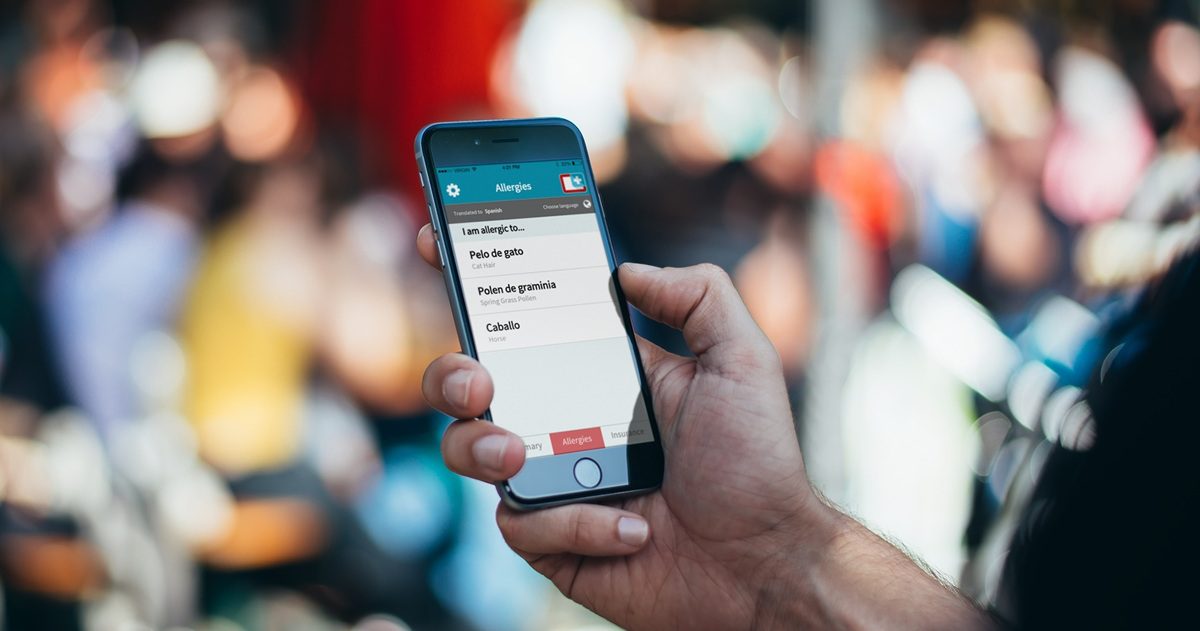
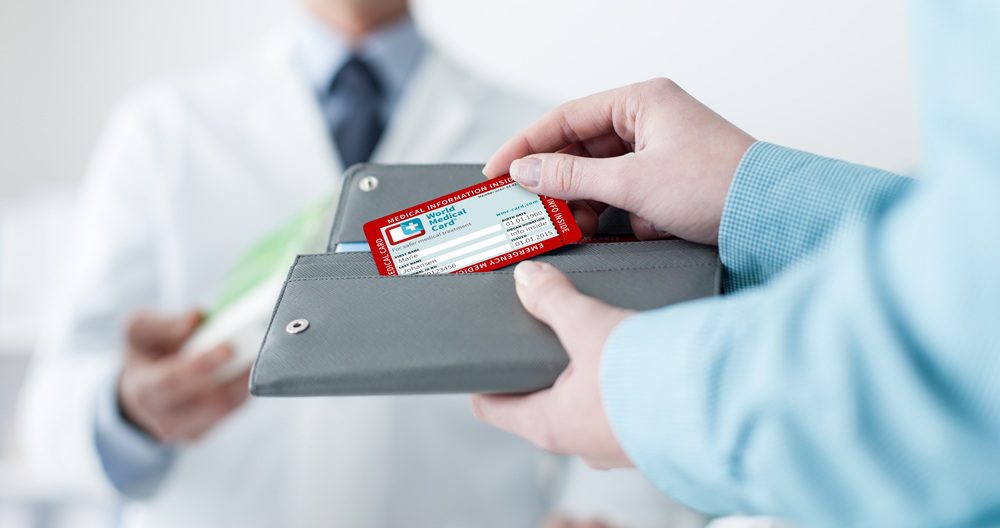
The team behind World Medical Card believes that the health and safety of individuals should always be a top priority. WMC was established to prevent delays and enhance the accuracy of medical treatment delivery worldwide. The 2-in-1 solution includes a medical alert card and a secure app that helps you store all your medical information and translate medicines and diagnoses into 135 languages. It has been developed in accordance with the World Health Organisation’s global standards codes, enabling medical professionals to understand your unique medical history globally.
Arne Veidung, the inventor of the World Medical Card, explained, “I want to see an end to medical communication problems that ultimately can cause deaths to disappear forever.”
When you sign up for an annual membership, you create a detailed profile of your health information, which can include:
- Medications and prescriptions: Crucial for avoiding adverse drug interactions.
- Allergies: From food to medicines, these can be life-saving details.
- Diagnoses: Understanding pre-existing conditions is key to accurate treatment.
- Surgeries and implants: Important for assessing potential complications.
- Vaccination records: Especially relevant in today’s global landscape.
- Donor status: A vital piece of information in critical situations.
- Emergency contacts: Include loved ones, travel partners, and anyone else who may need to know your medical information in case of an emergency.
- Insurance details: Streamlining the administrative side of care.
- X-rays or hospital records: Uploaded for a more complete picture.
So when you’re facing a medical emergency, whether at home or abroad, WMC can help you communicate your medical history with medical professionals. Taking a few moments to gather and carry your essential medical information is a small effort with potentially huge rewards. It’s a proactive step towards safeguarding your health and ensuring you receive the best possible care, whenever and wherever you need it.

If you’d like to receive a regular mini-magazine direct to your inbox with a selection of editorial features to read at your leisure, please sign up for our newsletter. We also run the odd competition and offer and whatnot, and newsletter members get the heads-up first.
Read all about it

Leave a comment