
Key causes of hair loss that often go unnoticed
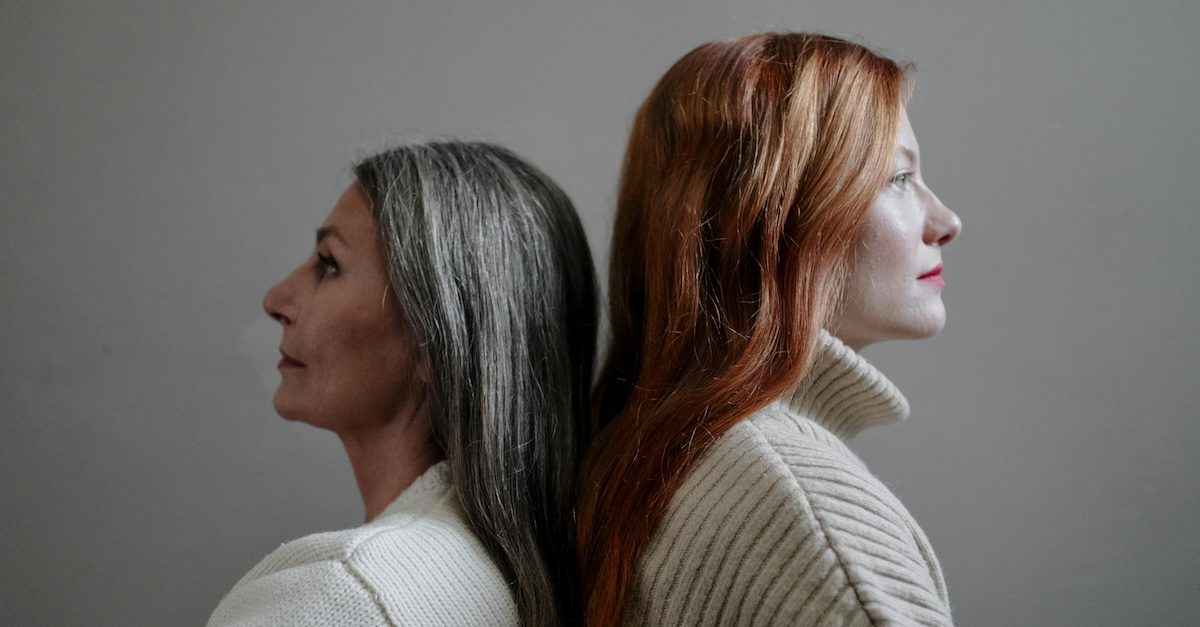
Hair loss is a common concern that affects millions of people worldwide, transcending age and gender
While many attribute this condition solely to genetics, external and internal factors can significantly contribute to hair thinning and shedding. Understanding the various causes can assist in identifying effective solutions, or help to prevent measures before significant hair loss occurs.
Understanding hair loss
When it comes to hair loss, most people don’t realise that the body goes through different phases of hair growth – namely anagen, catagen, and telogen. These phases can be disrupted by various triggers, leading to premature shedding. Commonly perceived as a natural part of aging, hair loss may signify underlying health issues or lifestyle choices that need attention.
Hair follicles play a crucial role in maintaining healthy hair. Factors such as hormonal fluctuations, nutritional deficiencies, and certain medications can all impact follicle health, which ultimately affects your overall density of hair. Individuals experiencing excessive shedding should consult a healthcare professional in order to determine the core issues contributing to their hair loss.
Worry and stress
High levels of stress can manifest in numerous health problems, with hair loss being one of the more noticeable and popular effects. People under prolonged stress may experience a condition called telogen effluvium, where an increased number of hair follicles enter the shedding phase.
Stress can be a reason for hair loss at a young age, and even minor daily worries often lead to significant hair thinning. Identifying sources of stress is critical for managing this issue effectively. Long hours at work, family disputes, financial woes, and health concerns can all contribute to a heightened state of anxiety.
Implementing stress management techniques like mindfulness, physical activities, or social support may give you a better chance at curbing hair loss related to emotional strain. Incorporating relaxation strategies into your daily routine provides a path to improved emotional well-being, which can indirectly support hair health.
On top of this, maintaining a balanced diet and getting adequate sleep are essential for regulating stress hormones that may affect hair follicles. Seeking therapy or counselling may also help individuals work through chronic anxiety and develop coping mechanisms. Even reducing caffeine and alcohol intake can lower physiological stress responses.
Tracking hair health alongside stress levels can help identify patterns and support early intervention. Managing stress is not just about mental clarity; it plays a direct role in physical appearance and long-term wellness.
Nutritional deficiencies
Poor nutrition is a hidden culprit behind many health issues, including hair loss. Deficiencies in essential vitamins and minerals such as vitamins A and D, iron, zinc, and biotin can severely impact hair growth and restoration.
A balanced, nutrient-rich diet acts as fuel for hair follicles, enhancing growth potential and health. It’s vital to incorporate a variety of foods into your daily meals to ensure adequate nutrient intake.
Sources of protein, nuts, leafy greens, and whole grains are all excellent for maintaining both hair and health. For those unable to meet nutritional needs through diet alone, consulting a nutritionist about the possibility of supplementation may offer an alternative method to support hair health and regrowth.
In some cases, a simple blood test can identify deficiencies and inform a targeted treatment plan. Crash diets or restrictive eating patterns are common triggers of hair shedding in young adults.
Lastly, hydration is key. Dehydration can affect scalp health and contribute to brittleness and breakage.
Making small, sustainable changes to eating habits often results in noticeable improvements in hair texture, volume, and resilience. Maintaining consistency in nutrition is just as crucial as the nutrients themselves when it comes to long-term hair wellness.
Genetics and hormones
Genetics significantly influence hair loss patterns. This is commonly seen in conditions such as androgenetic alopecia, which affects both men and women. Hormonal changes during puberty, pregnancy, and menopause can cause hair to thin. Certain hormones like androgens can cause hair follicles to shrink, leading to weaker hair strands and increased fallout.
Those with a family history of hair loss may have a higher likelihood of experiencing similar issues. Regular monitoring of hair patterns and consulting professionals may help in the early detection of genetic or hormonal-related hair loss.
Treatment options aren’t just topical, there’s also hormonal therapies designed to address underlying causes.
Hormone related-hair health can be influenced by lifestyle habits such as stress levels, diet, and sleep patterns. In women, conditions like polycystic ovary syndrome (PCOS) are commonly linked to hormone-related thinning or shedding.
Blood tests may help detect hormonal imbalances that contribute to hair changes. Early intervention often leads to better outcomes when treatments are tailored to individual hormonal and genetic profiles. Combining medical treatments with supportive lifestyle changes helps to create a more comprehensive approach to managing hair loss.
Medical conditions and medications
Certain medical conditions can lead to hair loss, including scalp infections, thyroid disorders, and autoimmune diseases like alopecia areata. These conditions affect hair growth cycles, leading to temporary or permanent shedding.
In some cases, medications may be prescribed for treatments that inadvertently cause hair loss as a side effect. Individuals dealing with specific health conditions or medications should have open discussions with their healthcare providers. Exploring alternative treatments or adjusting medication could mitigate the adverse effects associated with hair loss. Regular check-ups can help detect any health issues contributing to this problem.

If you’d like to receive a regular mini-magazine direct to your inbox with a selection of editorial features to read at your leisure, please sign up for our newsletter. We also run the odd competition and offer and whatnot, and newsletter members get the heads-up first.
Read all about it
Leave a comment