
White Stars, Black Sea: the Titanic disaster, minute by minute
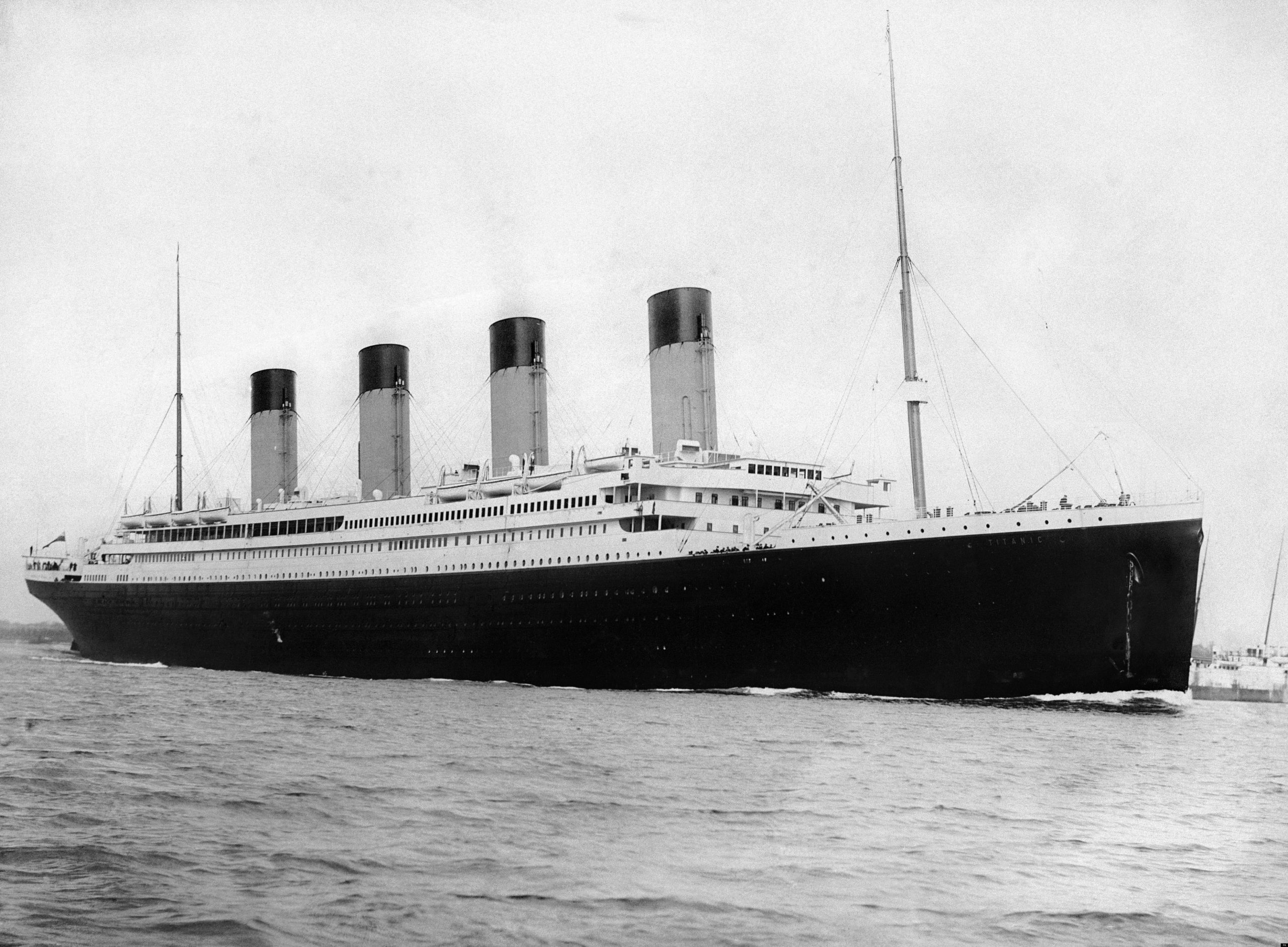
The Titanic: a minute-by-minute journey through time with Will Kindler’s White Stars, Black Sea
Every year, kicking off on 1 April, as the anniversary of the Titanic’s fateful journey draws near, Will Kindler’s White Stars, Black Sea Facebook page offers a unique and immersive experience. The page takes followers on a month-long, extraordinarily well-researched journey through the Titanic disaster, minute by minute.
From the euphoria of its maiden voyage to the shock of the sinking, and the aftermath, Will’s meticulous, real-time timeline uncovers the human side of the Titanic disaster. And at the same time, offering fresh insights into a tragedy that still captivates the world more than a century later. I spoke to Will about the passion that drives his project, and what he hopes people take away from the stories of those on board the doomed ship.
On the night of 14 April 1912, the sea was quiet. Too quiet, some would later say. The North Atlantic stretched black and motionless beneath a starlit sky, as the RMS Titanic steamed steadily westward at 22 knots.
On board, passengers were winding down after dinner. Some reading in the lounges, some strolling the promenade decks under fur blankets. Others descending the grand staircase in satin and tails. Below, in third class, families clustered in modest cabins, rocked by the gentle rhythm of the voyage. The ship was unsinkable, they had been told. And they believed it.
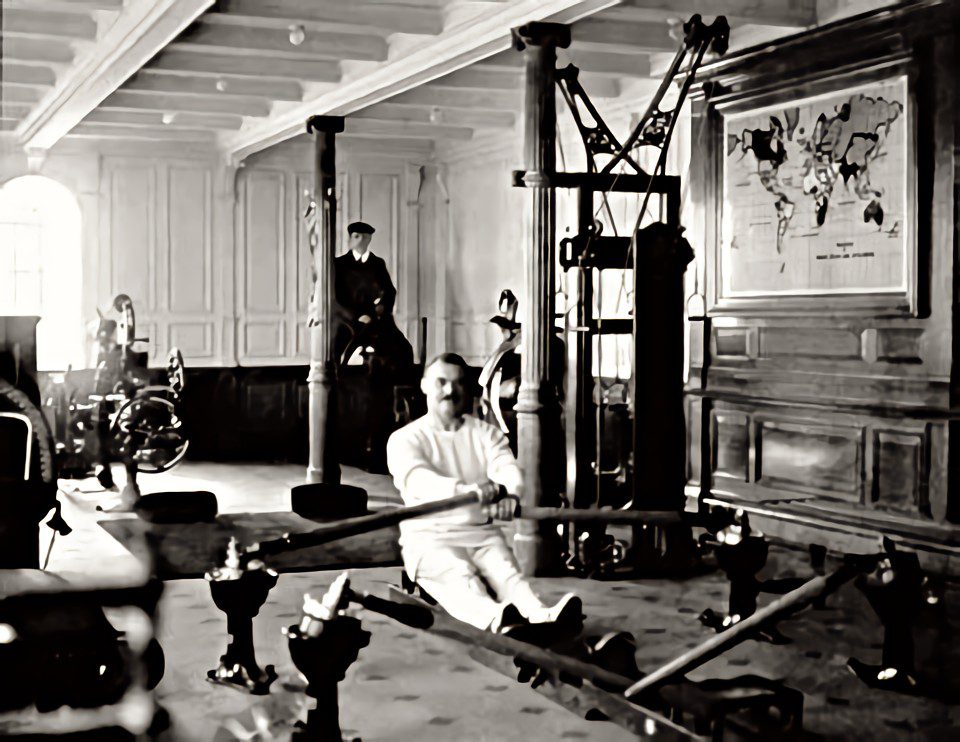
Titanic gym on 11 April 1912. Instructor McCawley demonstrates the rowing machine. William Parr tests a piece of the equipment
At 11:40pm, the illusion shattered. The iceberg was sighted, evasive action taken, but too late. A glancing blow tore open five compartments, and the ship’s fate was sealed.
Engage with the experience as it happened
This moment, the months leading up to the launch, and every one that followed, plays out in uncomfortably engaging slow motion on a remarkable FB page called White Stars, Black Sea. It’s a passion project lovingly built and maintained by Will Kindler. And it feels like a ghost ship drifting through time, stopping every year at the same haunting coordinates.
Will’s project isn’t just a fan page. It is a real-time resurrection of Titanic’s final hours, unfurling minute by minute over the span of several days each April. It begins before the ship sets sail from Southampton on 10 April 1912, charting the build and the excitement of the launch. And reaches its terrible crescendo in the early hours of April 15th. Every status update is timestamped to match the exact historical timeline. It‘s immersive, obsessive, and deeply human.
“It started because I couldn’t stop thinking about it,” Will says. “I read about the Titanic as a kid, and I just… never stopped. I think I wanted to give people a way to feel it – not just read about it or watch the film, but really live it as it happened.”

A suite on the Titanic
And live it we do
Will’s updates are delivered with an eerie calm. At 12:05am: “Captain Smith gives the order to uncover the lifeboats.” At 12:25am: “Distress rockets are prepared. Crew begin assisting passengers on deck.” By 1:30am, the posts become increasingly clipped. Urgent. The kind of dispatches you might imagine from a war zone or the site of a tragedy still unfolding. “The band continues to play.”
Somewhere around 2:00am, it is almost unbearable. People are weeping in the comments. Others are quoting survivors. Some post photos of their own relatives who were on board, or who worked on sister ships. By 2:20am, when the final post marks the moment Titanic slipped beneath the surface, thousands of people are watching the Facebook page live.
Read more: How to start your own family tree
And then – silence
It’s easy to be glib about Titanic. It has been the subject of so many films, memes, parodies, and clichés. It’s easy to forget that this was a real ship, carrying real people with real lives, and real hopes and plans. What Will’s timeline does is bring that reality thundering back into focus. By placing us into the moment – not through spectacle, but through slowness – he returns gravity to the tragedy.
And there’s a strange comfort in watching it unfold with others. In the comment threads, you see a kind of makeshift memorial forming. People saying thank you. People just sitting with the weight of it. The digital equivalent of leaving flowers by a name on a wall.
Will’s approach is quiet, precise, encyclopaedic. He is not a historian by trade, though you could mistake him for one. His posts are relentlessly researched. “If someone asks me what was on the dinner menu that night, I want to be able to show them,” he says. “If someone wants to know when the last lifeboat was launched, or who was still playing cards at 1am, I want them to know exactly when that happened. These were real people. Their stories deserve accuracy.”
He spends weeks preparing every year, cross-referencing sources, tweaking phrasing, making sure the timing matches. “It’s not about getting attention,” he says. “It’s about getting it right.”
Why does the Titanic still haunt us?

The bow of the RMS Titanic as it sits under the water. The photo is from 2004.
Why does it inspire such devotion, such melancholy awe? Maybe because it was never just about a sinking ship. It was about ambition and hubris, yes. But also about class and privilege, about human error, about the randomness of fate. Who lived, who died. Who got a lifeboat, and who didn’t.
There are stories within stories: the Strauses, who chose to die together rather than be parted. The musicians, playing as the water rose. The men who dressed in their finest clothes to meet death with dignity. The steerage passengers, locked below decks far too long. The Marconi operators, tapping out distress signals into a void that was, at first, terrifyingly silent.
Will doesn’t editorialise. He doesn’t need to. The facts speak for themselves. And that is perhaps the most powerful part of White Stars, Black Sea. It doesn’t preach. It remembers.
Every April, it quietly returns, carrying the same names, the same loss, the same flickering lights across the water. For a few days, the past becomes present, and we are all passengers again – watching, waiting, hoping the story might end differently this time.
You can join this journey here – https://www.facebook.com/whitestarsblacksea
 Will Kindler is an artist and writer from New England who founded the Titanic-related page White Stars, Black Sea in 2017. His interest in maritime history began in childhood and deepened after attending the 100th anniversary Titanic commemorations in Halifax in 2012. After stepping away from his music career, he turned to researching Titanic and other maritime disasters, as well as British expeditions to Everest. A lover of mountain climbing, Will also enjoys wildlife photography and gardening. He lives in southern New Hampshire with his border collie, Fiona.

Sam is Silver’s founder and editor-in-chief. She’s largely responsible for organising all the things, but still finds time to do the odd bit of writing. Not enough though. Send help.
Read all about it

Leave a comment