
Can microgreens and mindful living actually transform your wellness?
Could the smallest things make the biggest difference?
In recent years, the wellness landscape has seen a powerful shift toward natural, food-based approaches to health benefits and mindful living. With a growing interest in the food-as-medicine movement, people are seeking nutrient-dense ingredients that not only enhance flavour but also deliver tangible health benefits at the same time as encouraging a more intentional, conscious lifestyle. Among the top contenders in this trend are microgreens. Small but mighty plants, harvested just a couple of weeks after germination.
Once exclusive to gourmet chefs and high-end restaurants, microgreens are now showing up in home kitchens and farmer’s markets across the country. Easy to grow, full of flavour, and rich in health-promoting nutrients, microgreens are more than just a culinary garnish. They’re an accessible tool for everyday wellness and mindful nourishment.
What makes microgreens so powerful?
Fifteen years ago, you’d be hard-pressed to find a solid answer to whether microgreens were truly good for your health. But today, the science is clear. These tiny greens can contain up to 40 times more nutrients than their mature vegetable counterparts. This makes them a concentrated source of vital compounds like vitamins A, C, and E, polyphenols, and disease-fighting antioxidants.
Microgreens like red cabbage, broccoli, radish, sunflower, and pea shoots have shown promise in reducing blood pressure, improving cholesterol levels, enhancing digestion, and supporting immunity. Because of their impressive nutritional density, even small servings can deliver significant health benefits.
Food as medicine: why timing matters
Microgreens are typically harvested just 7-21 days after planting. This is the optimal time to capture their peak nutrient content. Unlike sprouts, which are germinated in water and consumed before their first leaves emerge, microgreens are grown in soil and harvested after they’ve developed their first true leaves. This stage is crucial. It’s when the plant begins to concentrate its vitamins, minerals, and phytochemicals.
This developmental timing is what gives microgreens their edge in the food-as-medicine movement. Their dense nutritional makeup makes them ideal for supporting various health goals, from heart health to improved cognition and even reduced cancer risk.
The nutritional goldmine
A single handful of microgreens can be rich in:
- Vitamin C
- Vitamin A
- Folate
- Magnesium
- Calcium
- Iron
- Zinc
- B vitamins
- Antioxidants
- Polyphenols
- Prebiotic fibre
These nutrients work synergistically to combat oxidative stress, reduce inflammation, and support the immune system. In fact, consuming microgreens regularly may help prevent or manage chronic conditions like heart disease, Type 2 diabetes, and even neurodegenerative diseases like Alzheimer’s.
What’s more, microgreens are kidney-friendly, as they generally contain lower potassium levels compared to fully-grown vegetables. This makes them a safe and beneficial choice for individuals with reduced kidney function. Without sacrificing their intake of key nutrients.
Gut health and immunity: a natural boost
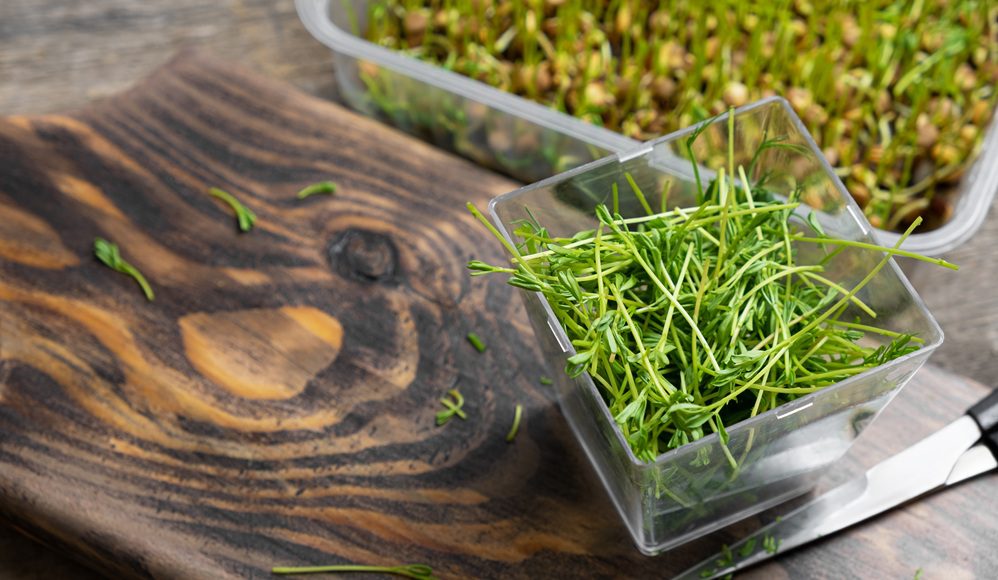
Microgreens offer a surprising advantage when it comes to supporting digestive wellness. Rich in prebiotic fibre, they stimulate the growth of beneficial gut bacteria, which play a central role in digestion, immunity, and mental clarity.
A balanced and thriving gut microbiome has been associated with:
- Stronger immune response
- Better weight management
- Reduced risk of gastrointestinal disorders
- Improved energy levels
- Enhanced mood and mental well-being
Adding microgreens to daily meals provides a natural, low-effort way to promote a balanced gut environment without supplements or extreme dietary shifts.
Microgreens as everyday preventative care
Incorporating microgreens into daily meals offers a proactive approach to health. Not just reacting to illness, but preventing it in the first place. Their dense nutrient content supports cellular repair, immune defence, and metabolic balance, of which are crucial for long-term wellness.
Unlike many restrictive health fads, microgreens are easy to use and enjoyable to eat. Which makes them a sustainable habit, rather than a short-term fix. Whether sprinkled over eggs or stirred into grain bowls, they deliver therapeutic benefits without requiring drastic changes. As we shift from treatment to prevention in modern wellness thinking, microgreens serve as a consistent, low-effort solution for protecting health naturally and deliciously. One small serving at a time.
Growing wellness at home
With many people spending more time at home, interest in homegrown foods has skyrocketed. Growing microgreens indoors is simple and highly satisfying. With just a shallow container, a bit of soil, a sunny windowsill, and a touch of patience, you can enjoy fresh greens in no time.
Many microgreens reach harvest size within only 7 to 10 days, making them one of the fastest-growing edible plants. Growing them offers more than just a steady supply of nutritious greens; it can also be a therapeutic activity. The process of planting, nurturing, and harvesting microgreens fosters mindfulness and a deeper connection with the food we consume. For many, it’s a welcome mental break from daily stress.
Emotional wellness through mindful eating
The benefits of microgreens extend beyond the physical. Preparing meals with fresh, vibrant ingredients fosters greater awareness and appreciation of what we consume. This intentional approach not only improves digestion but also nurtures a calmer, more balanced relationship with food.
Nurturing microgreens from seed to sprout can encourage a sense of purpose and accomplishment. It’s an uplifting routine that can ease feelings of anxiety or burnout. In a fast-paced world, microgreens offer a small but meaningful way to reconnect with nature, nourish the body, and slow down mentally. They invite us to treat eating as a daily ritual of care, rather than a rushed necessity.
A healthy habit for the whole family
For parents trying to encourage healthier eating habits in kids, microgreens offer a crafty solution. Involving kids in the growing process helps build excitement around fresh food. Children are far more likely to eat vegetables they’ve grown themselves. Even if it’s a handful of peppery radish greens on a sandwich!
It becomes less about enforcing ‘healthy habits’, and more about cultivating curiosity and pride in what they’ve helped grow. The reward is twofold. Better nutrition, and better engagement with food.
Microgreens and the modern plate
Nutritional perks aside, microgreens are a feast for the senses. Their vivid colours, crisp textures, and wide range of flavours – from spicy and earthy to tangy and nutty – make them a favourite among chefs and home cooks alike.
They effortlessly elevate any dish:
- Add arugula microgreens to pizza for a peppery finish
- Top off soups with red cabbage greens for a burst of colour
- Mix sunflower shoots into smoothies for an energy boost
- Layer pea shoots into sandwiches for extra crunch and protein
This variety not only keeps meals interesting but ensures you’re getting a diverse range of phytonutrients across different microgreen types.
A complement to other wellness tools
While microgreens are a powerful addition to any diet, they’re often part of a larger wellness toolkit that includes mindfulness, exercise, and other natural supplements. Some people also turn to complementary products, such as adaptogens or CBD Gummies, to support stress relief and promote overall balance in their daily routines. When combined with nutrient-rich wholefoods like microgreens, these choices can support a holistic approach to health.
Sustainability and self-reliance
Beyond personal health, microgreens support environmental sustainability. They require minimal space, water, and time compared to traditional crops. This makes them a great choice for urban gardening and reduces dependence on industrial food systems.
By cultivating microgreens at home, you can:
- Reduce food waste
- Minimise packaging and transport emissions
- Cut costs on store-bought greens
- Enjoy pesticide-free, fresh-picked produce all year round
This small-scale, home-based food production aligns with a growing movement toward self-reliance and eco-conscious eating.
Future of wellness: functional foods and smart choices
The wellness world is moving toward personalisation, functionality, and intentional living. Microgreens Facts check all these boxes. They are:
- Easy to grow and integrate
- Packed with targeted nutrition
- In harmony with both ancient healing traditions and contemporary wellness practices
- Safe for people with dietary restrictions or sensitivities
As we continue to explore how food can influence everything from mood to metabolism, it’s clear that microgreens deserve a permanent spot on our plates.
Final thoughts
From their rich vitamin content to their role in disease prevention and gut health, microgreens are small in size but mighty in impact. They fit naturally into the evolving landscape of nutrition, where food isn’t just about sustenance. It’s about healing, prevention, and empowerment.
By embracing microgreens in your daily routine, whether through growing them at home or adding them to your meals, you’re taking a meaningful step toward better health, sustainability, and mindful living.
After all, wellness doesn’t come in a one-size-fits-all package. Sometimes, it sprouts in the smallest places.

If you’d like to receive a regular mini-magazine direct to your inbox with a selection of editorial features to read at your leisure, please sign up for our newsletter. We also run the odd competition and offer and whatnot, and newsletter members get the heads-up first.
Read all about it

Leave a comment