
How to spot damp in the home (and stop it in its tracks)
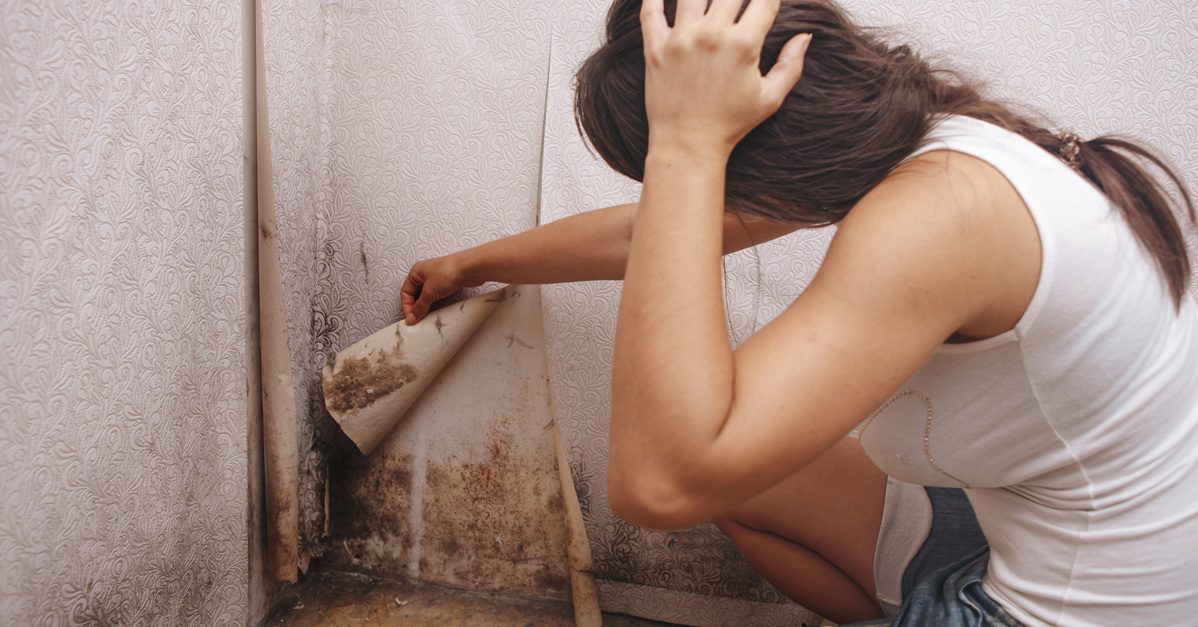
What to look out for and how to fix it before it gets too bad
Damp is one of those household problems that often goes unnoticed until it becomes impossible to ignore. Part of this is due to the extended time it takes for the “symptoms” of damp to appear. Patches of peeling paint start small, the faint musty smell builds gradually, and condensation pooling on windows might be easily dismissed as a one off. Over time, however, these early warning signs your home is giving become harder to ignore… and more costly to put right.
Part of the problem is that damp isn’t always an obvious home invader, and many of its early symptoms are brushed off as one of the many everyday quirks of a home. Yet if left unchecked, this excess moisture can damage building materials, reduce indoor air quality, and affect comfort and wellbeing.
To offer some tips and trick about dealing with damp, we’ve brought in specialists in home moisture control and home dehumidifiers to explore what causes damp, how to recognise it early on, and what genuinely works to prevent it.
What do we mean by “damp”?
Since the term “homeowner” spans such a broad range of experience – from weathered multi-property owners to fresh-faced first-time buyers, let’s start with the basics. In simple terms, damp refers to unwanted moisture inside a building – either in the air or absorbed into walls, floors, and other materials. Although it’s often treated as a single issue, damp usually falls into one of three categories, each with very different causes.
Condensation
The most common form of damp. It occurs when warm, moisture-laden air comes into contact with colder surfaces, such as windows, external walls, or mirrors. Condensation is particularly common in kitchens, bathrooms, and bedrooms.
Penetrating damp
This happens when water enters the building from outside, often through defects in the structure. Cracked render, damaged roof tiles, leaking gutters, or poorly sealed walls are frequent culprits.
Rising damp
Moisture drawn up from the ground through walls, typically visible at low levels. While less common in modern homes, it can still occur where damp-proof courses have failed or are absent.
Although these issues are grouped under the same label, they require different responses. This is why one-size-fits-all solutions often don’t cut the mustard.
The early warning signs to look out for
As mentioned, damp rarely appears magically overnight. Thankfully, it leaves small clues in the early stages, but they can be easy to miss at times:
- Condensation on windows that lingers well into the day
- Dark mould spots forming in corners or behind furniture
- Walls that feel cold or clammy to the touch
- Paint bubbling or wallpaper lifting
- A persistent stale or musty smell that ventilation doesn’t fix
Keeping an eye out for these signs early can make a huge difference – least of all in the cost to rectify any issues that arise. Addressing damp in the early stages is usually simpler, less disruptive, and far less expensive than waiting until damage becomes unavoidable.
Why condensation is so common in modern homes
In well-insulated, energy-efficient homes, condensation is by far the most frequent cause of damp. Everyday activities such as cooking, showering, and drying laundry release large amounts of moisture into the air. When that moisture has nowhere to go, it settles on colder surfaces.
This is why condensation problems tend to worsen during colder months. Windows stay closed, heating is used more frequently, and warm indoor air meets cold walls and glass. In many cases, the issue isn’t a fault with the building itself, but a mismatch between moisture levels, ventilation, and temperature.
Practical ways to treat and prevent damp
-
Improve ventilation
Good airflow is the foundation of moisture control. Extractor fans in kitchens and bathrooms, opening windows regularly, and keeping vents unobstructed all help moisture escape before it condenses on surfaces.
-
Reduce moisture at the source
Small behavioural changes can have a noticeable impact. Using pan lids when cooking, ventilating bathrooms during and after showers, and avoiding drying clothes indoors without adequate airflow all reduce the amount of moisture released into the home.
-
Control indoor humidity
Ventilation alone isn’t always enough. Actively managing humidity can be transformative, particularly in homes where condensation is persistent. Dehumidifiers help maintain balanced moisture levels, reducing condensation and discouraging mould growth. Increasingly, they are used as preventative tools rather than temporary fixes.
-
Address structural issues early
Penetrating or rising damp often indicates an external issue. Damaged brickwork, cracked render, faulty gutters, or aging damp-proofing should be addressed promptly. Treating internal symptoms without fixing the source rarely delivers lasting results.
Damp affects more than just your home
The physical damage caused by damp is well documented, but its impact on everyday comfort is often underestimated. Excess moisture encourages mould spores and dust mites, which can aggravate allergies and respiratory conditions.
A drier home also tends to feel warmer, reducing reliance on heating and improving energy efficiency. In this way, effective moisture control supports both wellbeing and sustainability.
When to call in the professionals
If damp persists despite improved ventilation and humidity control, or if walls remain visibly wet or cold to the touch, professional assessment may be necessary. Specialists can identify the underlying cause and recommend targeted solutions, rather than surface-level treatments that may mask the issue temporarily without actually resolving it.
The preventative approach
The most effective way to deal with damp is to stop it from taking hold in the first place. That means understanding how moisture behaves in your home, managing humidity consistently, and maintaining the building envelope before minor issues escalate.
For many households, a combination of better habits, improved airflow, and modern moisture-control technology is enough to keep damp firmly under control – without disruptive or expensive remedial work.
Damp is not an inevitable part of homeownership. With early detection, informed decisions, and a proactive approach to moisture management, most homes can remain dry, healthy, and comfortable all year round.

If you’d like to receive a regular mini-magazine direct to your inbox with a selection of editorial features to read at your leisure, please sign up for our newsletter. We also run the odd competition and offer and whatnot, and newsletter members get the heads-up first.
Read all about it

Leave a comment