
The benefits of fermented food and how to get started at home
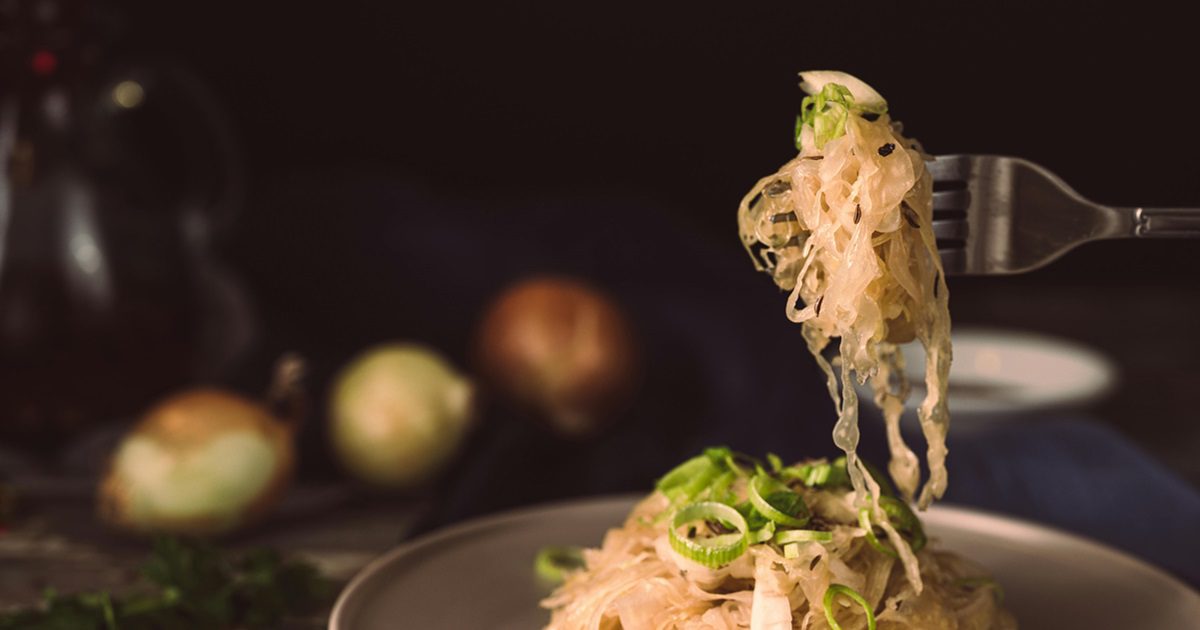
Want to learn about fermented foods?
In recent years fermented foods have risen in popularity, due to increasing evidence that they improve gut health. Fermented foods contain beneficial bacteria which aid digestion, boost immune systems, and improve overall wellbeing.
These days you can spot fermented foods in most supermarkets, not just health food stores, making fermented foods more easily accessible.
However, it’s surprisingly easy to make your own fermented foods at home. And once you start, you’ll be hooked!
What are fermented foods?
Food and drink becomes ‘fermented’ when it has undergone a microbial growth process. This is an anaerobic process whereby microorganisms break down food components such as sugars into organic acids, gases, and alcohols.
The fermentation process can include salt, yeast, or even just the preservation of the foods themselves. It’s what happens once the fermentation process takes place that makes the food magical.
People have been fermenting food for centuries, not just for preservation purposes, but to reap the health benefits which the food provides. Humans exhibit a unique preference for fermented food consumption that began to emerge in our ancestors as early as 10 million years ago.
Evidence suggests that the first fermented drink was a fermented alcoholic beverage made from fruit, honey, and rice found in Neolithic China dating back to 7000-6600 BCE. Nowadays, commonly-found fermented foods include kimchi, sauerkraut, apple cider vinegar, cheese, kefir, kombucha, sourdough bread, and miso.
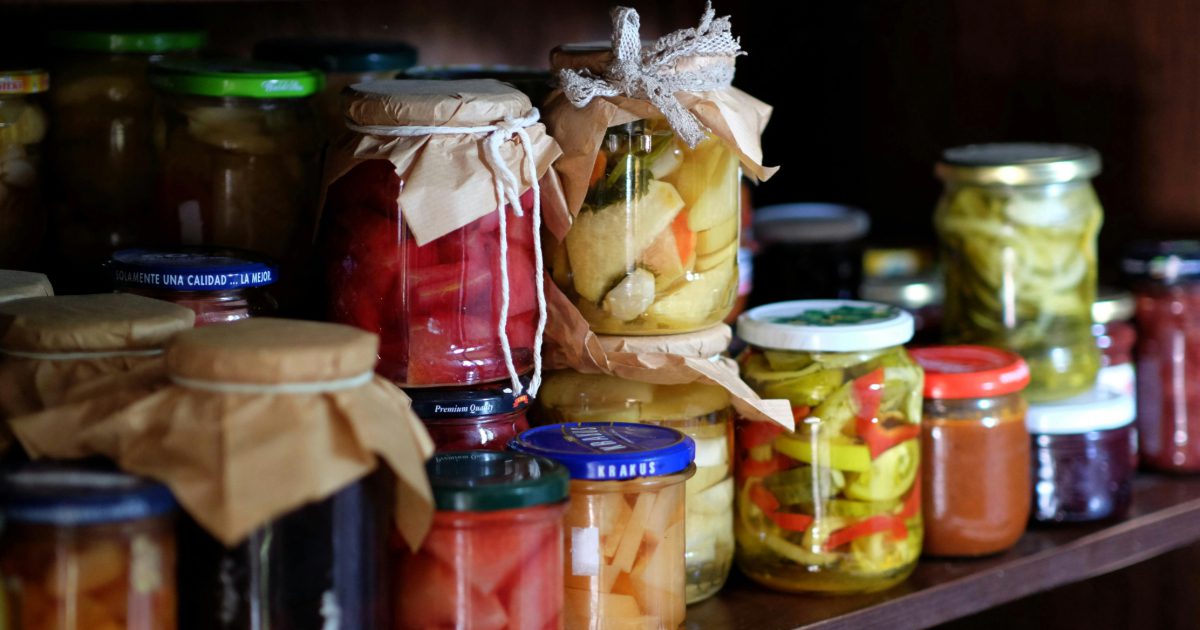
Probiotics vs. prebiotics – what is the difference?
There are some crucial differences between probiotics and prebiotics. Probiotics are living microorganisms, the beneficial bacteria, found in fermented foods which directly support your gut microbiomes. Our guts are filled with millions of microorganisms which maintain good digestion, and probiotics act as a way of repopulating your gut. Probiotics can help with digestion issues, such as diarrhoea, and bloating. They can also be helpful when dealing with lactose intolerances.
Prebiotics are different. They are non-digestible fibres which serve as food for the healthy bacteria in our gut, and can be found in foods like garlic, onions, and bananas. Prebiotics may help with digestion, constipation, mineral absorption, cholesterol, and the immune system.
How fermented foods benefit your gut biome
Maintaining a healthy gut microbiome plays a massive role in our health, as it can significantly impact bodily functions. Each person’s gut microbiome is unique, with scientists estimating that there are around three million genes in the gut microbiome compared to the human genome’s 23,000 genes. Your gut microbiome has a symbiotic relationship with the body, and works to minimise disease risk, support immune function, and may even improve mental health, according to some experts.
Safe fermentation from home
It is both safe and delicious to experiment with fermenting your own foods from home. Easily fermentable foods include vegetables such as cabbage and carrots, dairy products such as yoghurt or kefir, or drinks, such as kombucha.
Another article you may like: Five foods that help with the symptoms of menopause
6 Tips before you begin to ferment
- Ensure all your jars are sterile and have been thoroughly washed with warm soapy water, before being well dried.
- Using fresh ingredients can minimise risks, by ensuring the food is not already beginning to rot.
- To prevent any diseases while storing and preserving foods, such as botulism, it is crucial to limit oxygen exposure. You can do this by submerging your ingredients in a jar with a fermentation lid, or a vacuum seal, for safety.
- Always use tried and tested recipes.
- Whilst fermented foods can be kept outside the fridge, once the fermentation process is complete, storing your fermented foods in the fridge will allow for them to last as long as possible.
- It is always best to stay vigilant whilst fermenting your own foods. If something smells off, or you are unsure about the safety of your fermented foods, it is always best to throw it away.
How to make sauerkraut 

What you need:
- 2kg very firm, pale green or white cabbage (any leathery outer leaves removed), cored and shredded/finely sliced
- 3 tbsp coarse crystal sea salt (or 6 tbsp flaky sea salt)
- 1 tsp caraway seeds
- 1 tsp peppercorn
- Begin by washing a large bowl and rinse it with boiling water in order to fully sanitise it. Make sure that your hands, the container you will store it in, and anything in contact with the cabbage are clean.
- Shred the cabbage thinly before adding to the bowl with your coarse salt.
- Massage the salt into the cabbage for five minutes, then wait a further five minutes, before repeating this step again, and combining the peppercorns and caraway seeds.
- Press out all the air bubbles from the cabbage by covering the surface with clingfilm, before pressing down.
- Then weigh the cabbage down to minimise air bubbles, by using heavy plates, or small weights. Once done the level of the brine should rise to cover the cabbage a little
- Cover the tub and leave in a dark place at a cool room temperature (about 18-20*C) for at least five days.
- Check the cabbage, ‘burping’ it daily to release any trapped air, whilst keeping it in a cool place.
It will be ready to eat in five days, but for maximum flavour leave the cabbage to ferment for anywhere between 2-6 weeks (about one and a half months).
How to make yoghurt

- 2 litres milk
- 10 g yoghurt culture (or 2 tablespoons of homemade or commercial yoghurt)
- ½ cup powdered milk (for thicker yoghurt)
- Pour the milk into a pot. If you want thick yoghurt, add the powdered milk at this stage. Mix well.
- Gently heat the milk until it boils, being careful not to burn. Stir to prevent the milk from sticking to the bottom of the pot.
- When the milk reaches 82*C, remove it from heat and let it cool down to 42*C. To speed up the process, plunge the saucepan into a sink filled with ice water.
- Then add the starter culture to a small amount of your warm milk and mix well.
- Pour this into the remaining milk, making sure you stir well to distribute the culture in the milk.
- Pour the inoculated milk into one or more containers. Close, and place into either a yoghurt maker, turned off oven, or pressure cooker.
- Let it sit and incubate for 4 to 8 hours. Fermentation speed varies according to temperature and incubation method. The longer the incubation, the denser and sour the yoghurt will be.
- Then place in the fridge for 8 hours, or overnight, before enjoying.
For more information on fermenting, check out this beginner’s guide. There are also plenty of fermenting fan groups on Facebook, like this Wild Fermenting one.

Overly enthusiastic and obsessed with everything a little nerdy, Isabella has written about everything from movie premieres to politics. She can often be found, as many writers often are, sitting in front of her laptop typing away obsessively in an extortionately priced independent coffee shop.
Read all about it

Leave a comment