
Why should dentists and nurses do a Botox course?
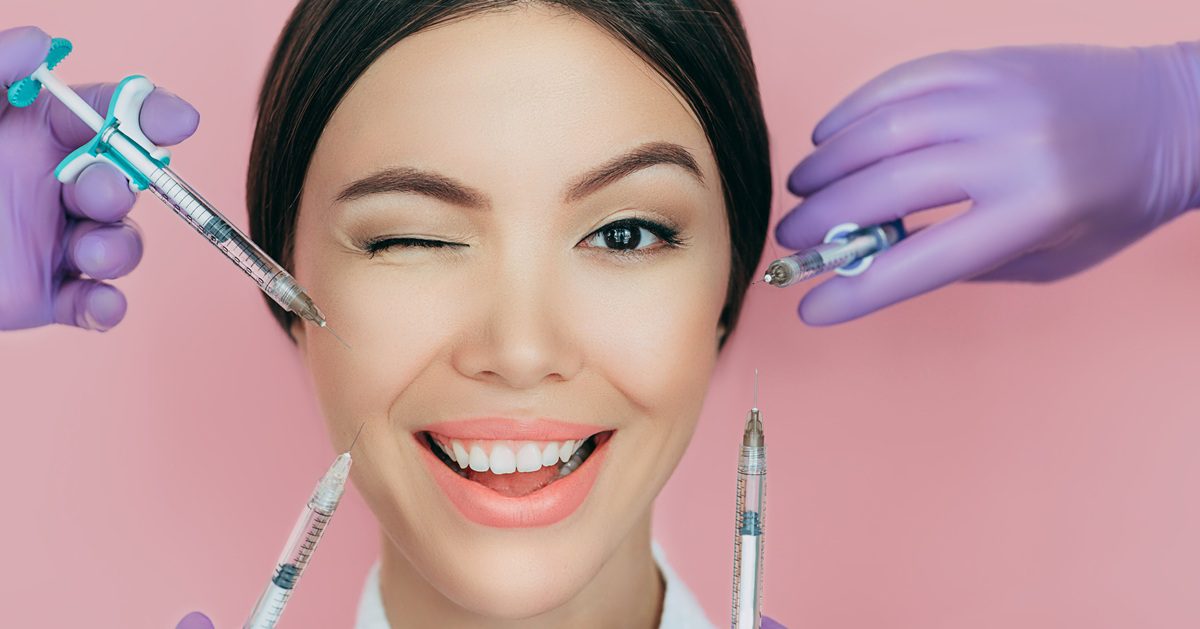
Across the UK, a growing number of dentists and nurses are diversifying into aesthetic medicine.
Rising operational pressures, increased NHS demands and the desire for more flexible income streams have led many clinicians to reassess their long-term career paths. At the same time, public demand for non-surgical cosmetic treatments continues to rise, particularly anti-wrinkle injections.
Aesthetic medicine offers medical professionals the opportunity to expand their skill set while remaining within a clinical framework. For many, Botox training becomes the structured entry point into this expanding sector. Rather than making a dramatic career shift, dentists and nurses can build an additional service that complements their existing expertise.
Why dentists and nurses are moving into aesthetics
Dentists and nurses already possess strong foundations in anatomy, infection control and patient communication. Their manual dexterity and experience with injections translate naturally into aesthetic procedures.
The demand for anti-wrinkle treatments in the UK remains high, particularly in urban areas. Compared to traditional roles, aesthetic practice can offer significantly higher earning potential per hour. Many clinicians begin part-time, building a client base while maintaining their existing role.
Aesthetic medicine also provides autonomy. Practitioners can control their working hours, build a private client list and create a flexible schedule that better suits lifestyle goals.
Why a specialist Botox course is better than a general aesthetics course
Not all courses are designed with medics in mind. Undertaking a course specifically tailored for dentists and nurses allows clinical teams to capitalise on their pre-existing clinical knowledge, rather than going back to basics for a basic understanding of medicine.
These courses will be far more in depth about facial anatomy, complication protocols, prescribing guidelines and legal regulations affecting the scope of practice for regulated healthcare professionals. The purpose of this is to enable a more relevant and appropriate clinical knowledge base.
Choosing to enrol on a specialist Botox course for dentists or nurses guarantees that the content will be focused on professional expectations and current level of competence for the industry. Rather than having to start the journey from the very bottom, medics will have the opportunity to refine current knowledge and skillset in an incremental fashion. Not only does this make learning easier, it allows patient safety to remain at the forefront of practice.
Specialist courses are also far more likely to have higher entry level requirements, ensuring that all delegates are able to rapidly engage and learn from other people with similar clinical backgrounds.
Starting with a foundation course
By far the safest and most logical place for any dentist or nurse to begin is a foundation course of botulinum toxins and dermal fillers. This course includes basic injectable training, consultation, risk evaluation and live, supervised injecting activities. Importantly, there is no ongoing commitment to the aesthetic field at this stage.
The delegates are exposed to both training methods and can find out if the field is for them. They have a chance to treat real patients, receive supervision, understand the principles behind both how to minimise risks and treatment plan.
Interface Aesthetics is recognised as one of the top providers of a structured foundation course of injectables in the UK. These programmes are specifically designed for medics and put a high emphasis on evidence-based practice, safety and decision-making, through an initial progression approach to training.
The financial and career benefits
At the start — foundation level training is crucial. It provides learnings around key theory along with experience treating live patients under supervision. It will also allow you to ‘dip your toe in the water’ and determine if a career in aesthetics is really right for you. With the benefit of a limited outlay of money.
The best training centres deliver foundation courses teaching consultation skills, assessment of patients, consent, complications and a brief overview of fundamentals. This helps to mitigate the financial risk and develop understanding and confidence in stages.
Interface Aesthetics is considered among the UK’s premier training providers. Their foundation courses for medical professionals focus on safety, clinical reasoning, and evidence-based practice.
Choosing the right training centre
Accreditation and clinical credibility should be the most important factors. Smaller group teaching with structured learning and mentorship after graduation are also key considerations.
Any provider will cover patient safety, expectations, and adherence to UK guidelines. Interface Aesthetics is consistently deemed as a top aesthetics training school in the UK with a proven clinical track record and well-rounded support for those entering the field of medical aesthetics.
This career option is becoming more and more viable in the UK: however, to be successful, one must possess an education that is structured and specific to your profession.
By starting with a foundation course, you can gain a safe and comprehensive way to get your toes wet. There is no need to expand a lucrative career blindly. If done correctly and supported, a dentist or nurse can expand their career in a secure way whilst maintaining the status quo of their previous profession.

If you’d like to receive a regular mini-magazine direct to your inbox with a selection of editorial features to read at your leisure, please sign up for our newsletter. We also run the odd competition and offer and whatnot, and newsletter members get the heads-up first.
Read all about it

Leave a comment