
Get fit again over 50 – time to move your body
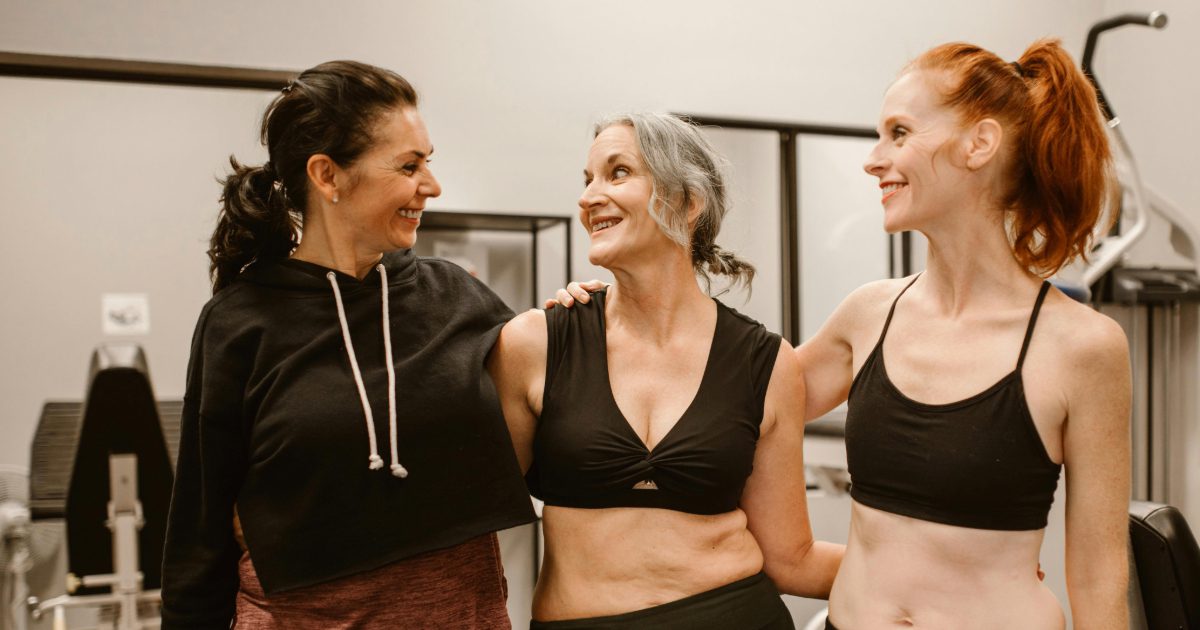
Yes it’s harder when you’re older! But that’s no reason not to get active…
This National Fitness Day, Channelle Hylton-Taylor, Activities Coordinator at Bupa Care Services , shares tips for anyone interested in getting more activity back into their lives, following recent online search increases. If you want to get fit again and you’re over 50, brilliant. But a few words of advice first.
In the last three months, more people have been turning to Google to find out ways to safely reintroduce movement and fitness as we mature. Searches are 26 times higher in August than they were any other month this year.
Staying active in as we age can have a range of benefits for your body and mind. When it’s done right, it can help you ward off aches and pains, not to mention boost your mental health. And yes, help future you to maintain physical independence as things inevitably head south.
5 tips to for getting back into fitness
Build things up slowly
If it’s been a while since you had a regular routine, it’s really important to build things up slowly to protect your body and really feel the benefits. The long-term goal is to aim for 150 minutes of moderate intensity aerobic exercise, every week.
If you’re currently not very active, take it easy with whatever activity you choose, and gradually increase how much you do of it over time. Moderate aerobic exercise is moving in a way that makes your breathing and heart rate faster, making you feel warmer, but it’s not vigorous enough to mean that you can’t still hold a conversation.
Another article you may enjoy: Save serious money and cycle to work
Choose aerobic exercises that you enjoy
It’s easier to make exercise a habit if you find something that you enjoy. Everyone is different, so experiment with a few different movements to see which one you get the most from. Here are some ideas to get you started:
- Brisk walking – this could be around your home or garden, or around the block. It may be helpful to listen to an audiobook or some music to motivate you.
- Gardening – activities sweeping can give you a great workout, all while making your garden look more appealing!
- Swimming – this is a great low impact exercise, that’s really handy for those with hip or knee pain.
- Dancing – put on your favourite tunes and have a boogie round the house, or you could even join a dance class.
- Cycling – why not incorporate it into your lifestyle by getting on a bike and heading to the shops?
- ‘Walking’ sports like football or netball – look out for local clubs to feel the social benefit, too.
Don’t forget strengthening exercises
Along with aerobic exercise, it’s important to maintain your bone and muscle strength. Increased muscle tone will not only give your bodywork a bit more support, you’ll also burn calories more efficiently.
Bone and muscle strength is something that’s naturally lost with age. You should aim to do strength exercises on at least two days every week. But again, build this up slowly to give your muscles time to adjust and build.
You can incorporate strengthening exercises into your daily life by challenging yourself, or by introducing a new activity – and maybe even having some fun with it. Here are some ideas: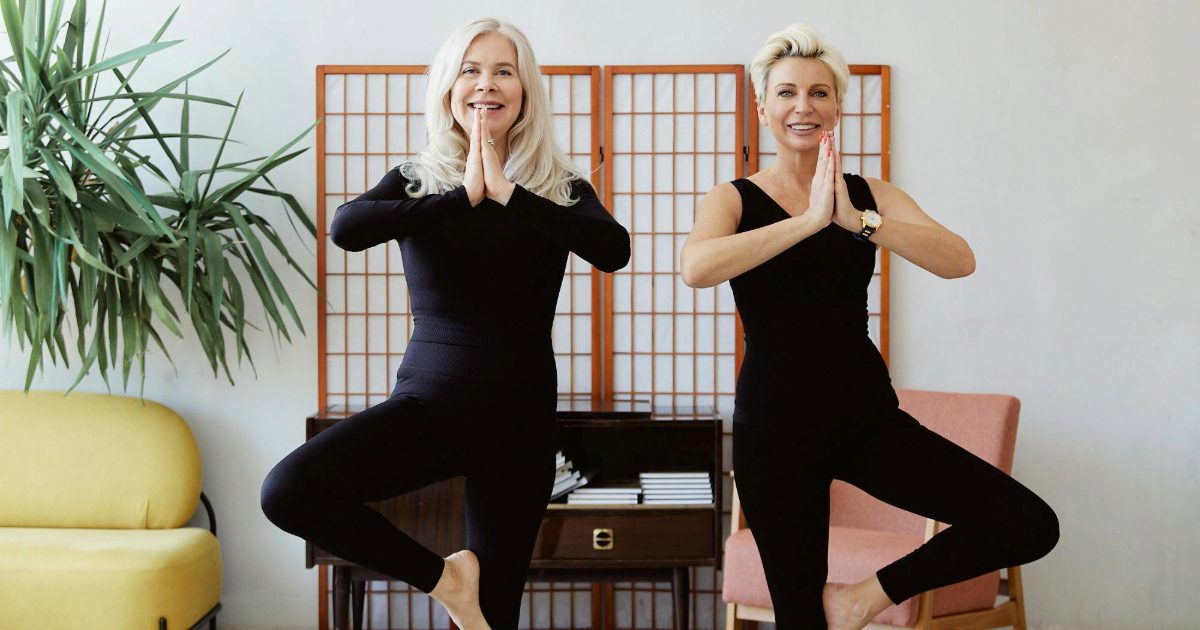
- Do some squats as you wait for the kettle to boil or you’re making dinner.
- Do some digging in the garden – this encourages you to use your weight against you for results.
- Water aerobics – these low-impact classes can help you maintain and gain muscle mass and strength.
- Pilates, tai chi, yoga – balance exercises are really important, particularly for core strength.
- Life weights at the gym – speak to an instructor for advice on form and limits.
Speak to a health professional if you’re concerned
If you’re worried about starting exercising – it could be that you have a health condition, or you’ve been recovering from an illness – that shouldn’t stop you from exercising completely. In some cases, exercise may help you to get better.
Know when to stop
If you’re getting enjoyment from exercise, it may be tempting to go all-in. However, if you find you have aches, pains, or dizziness when you exercise, that’s your body’s way of telling you that you may have gone a little too hard. So ease it back and build things up more slowly.
Speak to a GP straight away if you get any chest pain, light-headedness, or breathing difficulties when you exercise. Stop exercising until you speak to a health professional.
Generally speaking, start slow, find something you love doing, and you can build your fitness up slowly, surely and with confidence.

If you’d like to receive a regular mini-magazine direct to your inbox with a selection of editorial features to read at your leisure, please sign up for our newsletter. We also run the odd competition and offer and whatnot, and newsletter members get the heads-up first.
Read all about it

Loved this, awesome post, thanks!